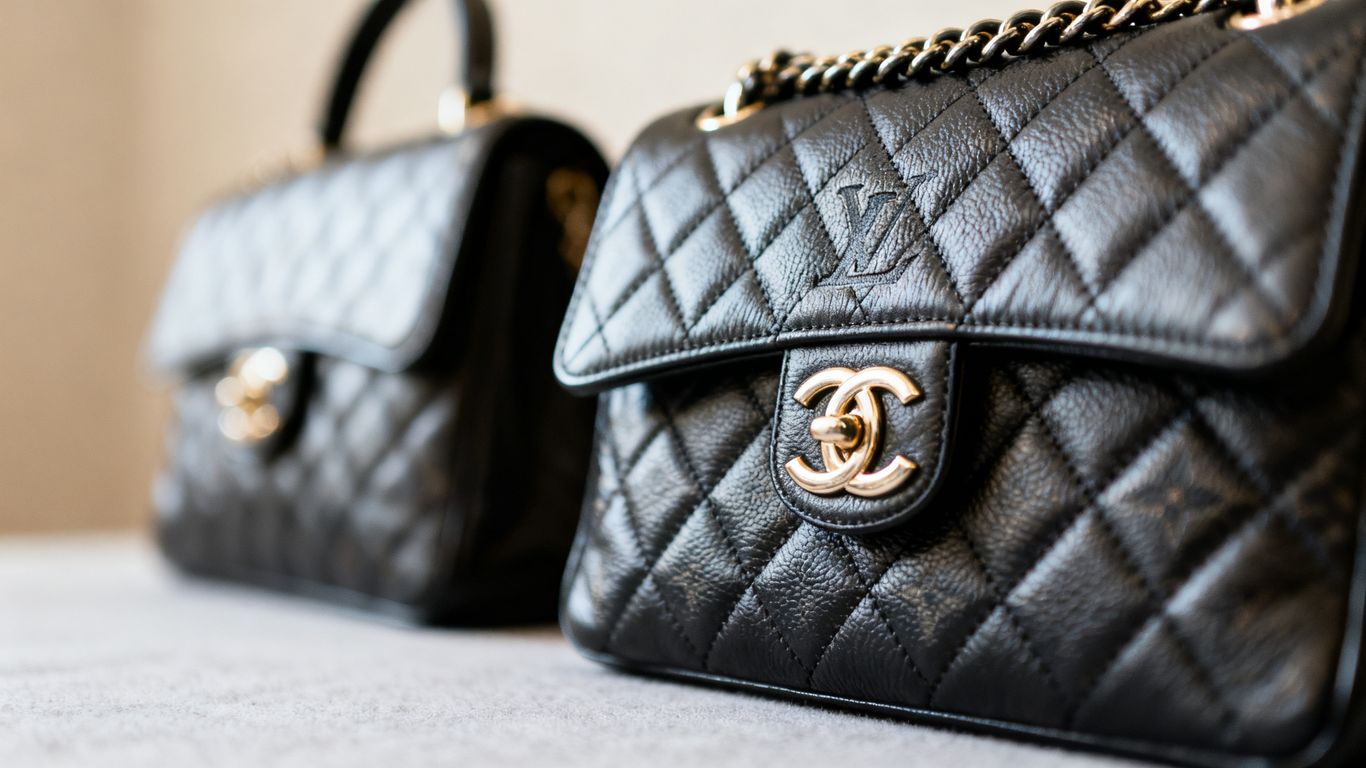
Thinking about buying used designer bags? It's a smart way to snag those luxury pieces you've been eyeing without breaking the bank. But, let's be real, the world of secondhand designer goods can be a bit of a minefield. You've got to watch out for fakes, and sometimes it's hard to know if you're really getting a good deal. This guide is here to help you shop smarter. We'll walk you through how to spot a fake, figure out if the price is right, and generally just feel more confident when you're clicking that 'buy' button.
Key Takeaways
- Always check the bag's overall quality and feel. Real designer bags use top-notch materials and have great craftsmanship, unlike fakes that often feel cheap or flimsy.
- Pay close attention to the details: look at the stitching for consistency, check that hardware is solid and doesn't chip, and know how to tell real leather from fake by smell and touch.
- Serial numbers and date codes are important, but they can be faked. Research what authentic codes look like for the specific brand and model you're interested in.
- Vet the seller thoroughly. Look at their reviews, how long they've been selling, and what else they offer. A seller with a bad reputation or suspiciously low prices is a big red flag.
- When in doubt, trust your gut and consider getting a professional opinion. Comparing the bag to known authentic ones or using a paid authentication service can save you from buying a fake.
Understanding the Value of Used Designer Bags
So, you're eyeing a pre-loved designer bag. Awesome! But before you hit 'buy,' let's talk about making sure you're getting a good deal and, you know, the real thing. It's not just about the brand name; it's about what that bag is actually worth on the resale market.
Assessing Resale Value and Brand Retention
Some brands just hold their value way better than others. Think of it like cars – a Toyota might be reliable, but a classic Porsche will always be worth more down the line. With bags, brands like Hermès and Goyard are kings of value retention. Chanel and Louis Vuitton are usually strong contenders too, though their value can fluctuate a bit more depending on the specific model. Knowing which brands and models hold their value is your first step to not overpaying.
Here's a rough idea of how some top brands do:
| Brand | Average Value Retention | Top Models |
|---|---|---|
| Hermès | 138% | Birkin, Kelly |
| Goyard | 132% | St. Louis, Artois |
| Chanel | 80-92% | Classic Flap, Boy |
| Louis Vuitton | 60-75% | Neverfull, Speedy |
| Dior | 55-70% | Lady Dior, Saddle |
This isn't an exact science, and condition plays a huge role, but it gives you a ballpark. If a bag is listed way below what these benchmarks suggest, it's a big red flag.
Recognizing Realistic Pricing Benchmarks
This ties right into the last point. You need to know what a bag should cost. If you see a Chanel Classic Flap listed for $800 when authenticated ones are going for $6,000 or more, something is seriously wrong. That's not a bargain; that's a fake. Do your homework on sites that specialize in pre-owned luxury goods. See what similar bags in similar condition are actually selling for. Don't just look at asking prices; look at sold prices if you can find them. This gives you a much clearer picture of the market value.
Counterfeiters are getting good, but they often can't replicate the exact feel, weight, and even the specific scent of genuine leather and materials used by luxury houses. Trusting your senses can be a surprisingly effective tool.
The Importance of Researching Market Value
Before you even start browsing, spend some time researching. Look up the specific bag you're interested in. What year was it made? What materials? What's its typical condition when sold used? Check out multiple sources. This research isn't just about finding the best price; it's about arming yourself with knowledge. The more you know about the bag's history and typical resale price, the less likely you are to fall for a scam or overpay. It’s about being an informed buyer, not just a hopeful one. You can often find great resources for authenticating pre-loved handbags that also discuss market value.
Remember, a good deal is only good if the item is genuine and worth what you paid. Taking these steps upfront saves you headaches and money in the long run. And if you're ever unsure about a bag's authenticity, even with documentation, consider getting a professional opinion. It's usually a small price to pay compared to the risk of buying a fake. You can often verify serial numbers as part of this research process.
Mastering the Art of Bag Authentication
Okay, so you've found a bag you love, but how do you know it's the real deal? This is where the detective work really begins. Counterfeiters are getting seriously good, making "superfakes" that can fool almost anyone. But don't worry, by paying attention to a few key things, you can significantly up your chances of spotting a fake.
Examining Overall Quality and Craftsmanship
First off, just hold the bag. Does it feel… right? Luxury brands pour a ton of effort into making their bags look and feel amazing. Authentic bags usually have this certain weight and presence. The materials should feel good in your hands – think supple leather, not stiff plastic. And the construction? It should be solid. Look for tight, even stitching all around, with no loose threads hanging off. The thread color should match the bag perfectly, too. If the whole thing feels a bit flimsy or just generally "off," that's a big red flag.
The Sensory Experience: Feel, Weight, and Scent
Beyond just looking, use your senses. How does the leather feel? Real leather has a unique texture and often a distinct, pleasant smell. If it smells strongly of chemicals or feels unnaturally smooth and plasticky, be suspicious. The hardware – zippers, clasps, feet – should feel substantial, not like cheap, lightweight metal. A genuine zipper should glide smoothly, not snag or feel rough. Trust your gut feeling about the overall quality; it's often your best initial indicator.
Verifying Brand-Specific Signature Details
Every big designer brand has its own little quirks and signature elements. These are the things counterfeiters often get wrong. For example, Louis Vuitton's monogram pattern should line up perfectly at the seams, and the LV logos should always be right-side up on both sides of the bag. Chanel's CC logo has a very specific way the Cs overlap. Hermès bags are famous for their hand-stitching, which looks different from machine stitching. Do a quick search for "how to spot a fake [Brand Name] bag" and look for common mistakes specific to that brand. Knowing these details is key. You might want to check out resources that detail specific brand authentication points to get a better idea.
Here's a quick rundown of what to look for:
- Stitching: Should be neat, even, and consistent in color and spacing. No loose threads!
- Hardware: Feels heavy, has crisp engravings, and operates smoothly (like zippers).
- Logos/Monograms: Perfectly aligned, correctly proportioned, and consistent in appearance.
- Materials: High-quality leather with natural texture, or specific fabrics used by the brand.
Sometimes, the smallest details are the biggest giveaways. Counterfeiters might nail the overall look but miss tiny things like the font on an interior stamp or the exact shape of a metal rivet. It’s these little imperfections that can tell the whole story.
Decoding the Details: Stitching, Hardware, and Materials
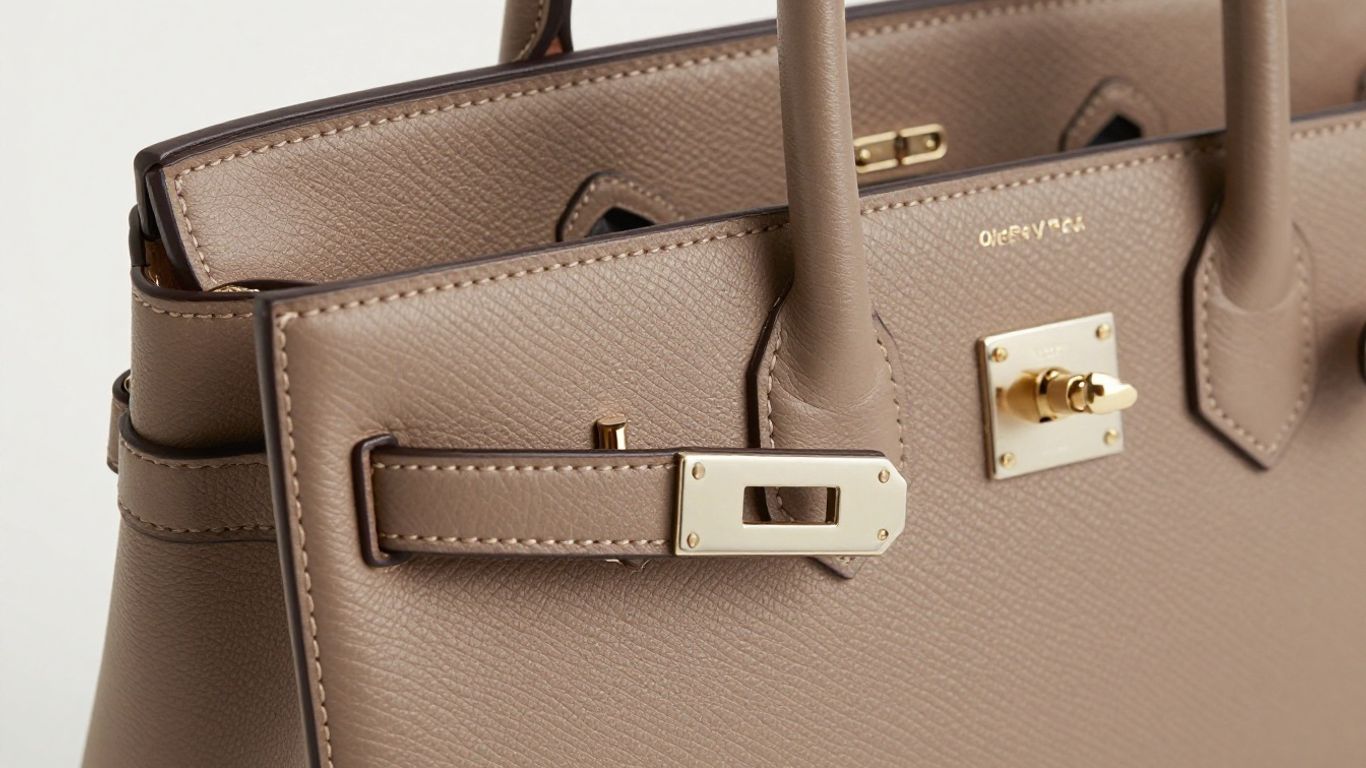
Okay, so you've found a bag that looks promising. Now it's time to get up close and personal. This is where the real detective work happens. Counterfeiters can get the overall shape right, but they often trip up on the little things. These details are like the bag's fingerprints, and they tell a real story.
The Significance of Stitching Consistency
Think about the stitching on a designer bag. It's not just about holding things together; it's a sign of quality and craftsmanship. On an authentic bag, you'll see stitches that are perfectly straight, evenly spaced, and consistent in size. There won't be any loose threads hanging around or messy back-and-forth stitching. It's all about precision. For example, brands like Chanel often have a very high stitch count, sometimes over ten stitches per inch, to make sure the bag keeps its shape. A fake bag might have fewer stitches, making it look less sturdy and feel cheaper.
- Look for tight, even stitches. No skipped stitches or loose ends.
- Check stitch count. Some brands have specific numbers per inch.
- Examine thread color. It should match or complement the bag perfectly.
Evaluating Hardware Durability and Finish
Hardware is a big giveaway. Real designer bags use high-quality metal – think brass, palladium, or gold plating. This hardware feels substantial, not light and plasticky. When you touch it, it should feel smooth, and any engravings should be crisp and clear. Zippers should glide open and shut without catching. If a zipper feels gritty or sticks, that's a red flag. Also, pay attention to the finish. Authentic hardware has a rich, consistent color that won't easily chip or fade. A fake might have hardware that looks too shiny, almost like plastic, or it might already show signs of wear like peeling plating.
Here's a quick hardware check:
- Weight: Does it feel solid and heavy, or light and cheap?
- Finish: Is the color even and rich, or is it too shiny, dull, or uneven?
- Engravings: Are logos and brand names sharp and clear, or blurry and shallow?
- Functionality: Do zippers and clasps work smoothly?
Distinguishing Genuine Leather from Imitations
This is where your senses really come into play. Genuine leather has a distinct smell – it's usually a rich, natural scent, not a chemical or plastic one. When you touch real leather, it should feel supple and slightly textured, not stiff or overly smooth like plastic. Over time, good quality leather develops a patina, a sort of warm sheen that adds character. Fakes often use synthetic materials that might look okay at first glance but lack that natural feel and smell. They can also feel unnaturally cold or too perfect. The feel and smell of the material are often the most telling signs of authenticity. If you're looking at a bag with a monogram pattern, like Louis Vuitton, check that the pattern lines up perfectly across seams and edges. On authentic bags, the logos are usually symmetrical and don't get awkwardly cut off. You can find more tips on spotting fakes by examining the materials used.
Counterfeiters often cut corners on the small details. They might use cheaper materials, less precise stitching, or hardware that doesn't feel right. These are the areas where you can really tell the difference between a genuine luxury item and a knockoff.
Navigating Serial Numbers and Product Codes
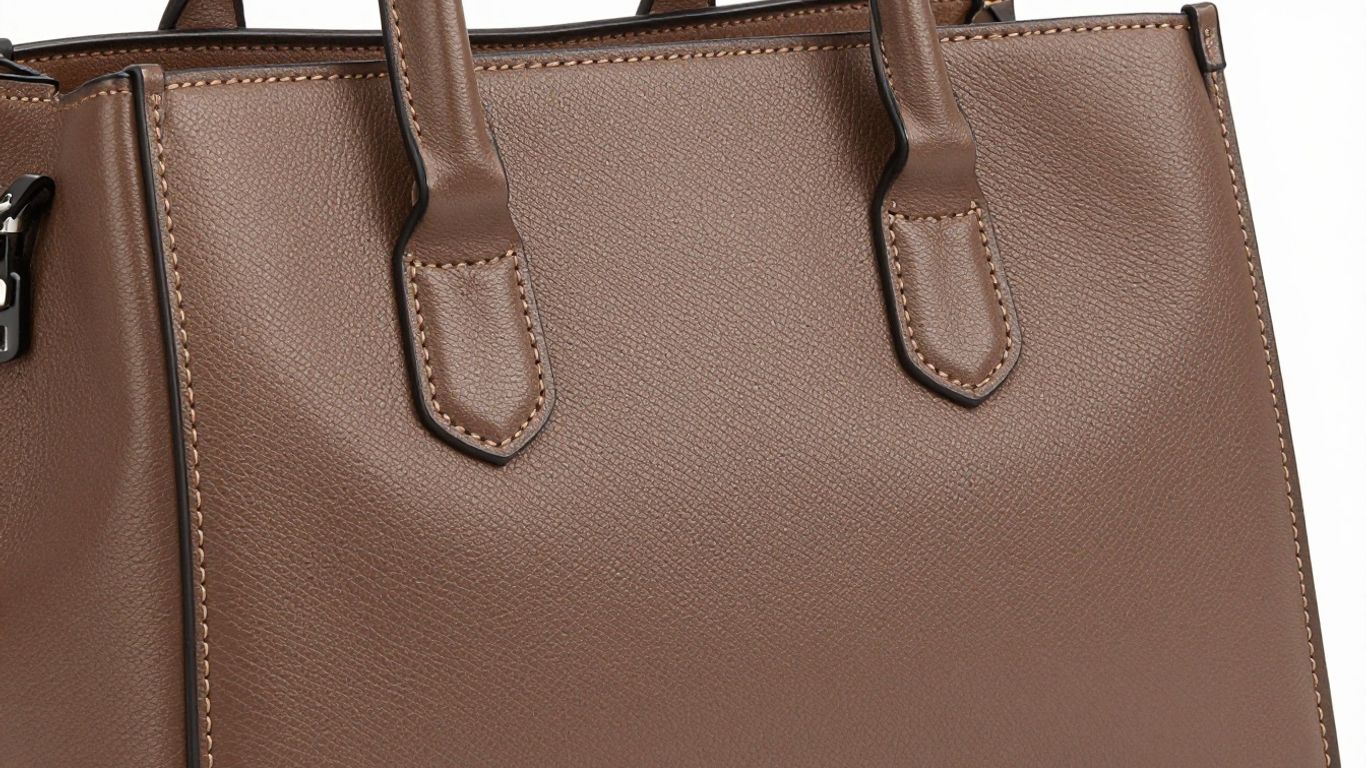
Okay, so you've checked the stitching, the hardware, and the general feel of the bag. Now, let's get into the nitty-gritty: the codes. These little details can tell you a lot, but they can also be tricky. Think of them as a part of the bag's history, not a foolproof certificate.
Understanding Date Codes and Serial Number Systems
Lots of brands use these codes to keep track of when and where a bag was made. They're not like a birth certificate for the bag, but more like an internal production marker. Learning to read them is like learning a secret language for that specific brand. For example, Louis Vuitton uses a mix of letters and numbers. A code like "FL0211" might tell you it was made in France (FL) during the first week of 2021. It's important to know that these systems change. For instance, Louis Vuitton has been using date codes for a long time, but newer bags might have microchips instead. Chanel, on the other hand, used serial number stickers for years, and the style of those stickers changed quite a bit over the decades.
Here's a quick look at how some brands handle their codes:
- Louis Vuitton: Mix of letters (factory location) and numbers (date of production). Placement is usually on a leather tab inside the bag or sometimes on the lining itself.
- Chanel: Historically, a sticker with a serial number, often with a hologram. The sticker's appearance and number of digits vary by year.
- Gucci: Serial numbers are typically found on a leather tag inside the bag, often with a specific format that changed over time.
- Hermès: Uses a blindstamp, which is a crisp imprint of a letter (year) and sometimes a symbol or numbers (workshop).
Identifying Mismatched or Incorrect Codes
This is where counterfeiters often slip up. A fake bag might have a code that just doesn't make sense. Maybe the font is wrong, the placement is weird (like a code stamped on the outside of a pocket where it would never be), or the code itself is for a factory in a country the bag claims to be "Made In." For example, if a bag says "Made in France" but the date code points to a workshop in the USA, that's a big red flag. Always double-check the brand's specific format for date codes and serial numbers. If the code looks poorly stamped, smudged, or just doesn't seem right, be suspicious. Remember, a valid code is just one piece of the puzzle, but an invalid one is a strong reason to walk away. You can often find guides online that detail the specific formats for different brands and eras, which is a great resource for authenticating a designer bag.
The Role of Authentication Documentation
Sometimes, bags come with authenticity cards or certificates. While these can be helpful, they're not always a guarantee. Counterfeiters can fake these too! Look closely at the card itself. Is the paper quality good? Are the fonts correct? Are there any spelling mistakes? Does the serial number on the card match the one on the bag (if applicable)? Some brands, like Louis Vuitton, have moved away from physical cards for newer items, relying more on internal codes or even microchips. If a seller provides a certificate, try to verify the authenticity of the issuing service. If you're unsure about the documentation, it's best to rely more on the physical inspection of the bag itself and the codes it carries.
Vetting the Seller and the Purchase Environment
Okay, so you've done your homework on the bag itself, but before you hit 'buy,' you absolutely have to look at who you're buying from. Seriously, this is almost as important as checking the bag's stitching. A sketchy seller can ruin your whole experience, even if the bag looks okay at first glance.
Analyzing Seller Profiles and Reputation
Think of the seller's profile as their resume. A good seller will have a history that shows they're legit. Are they new to the platform with a ton of high-end bags suddenly listed? That's a bit of a warning sign. Established sellers usually build up their inventory and reputation over time. Look for how long they've been around and what else they're selling. If they're only selling designer bags and nothing else, it might be a dedicated reseller, which can be good, but if it's a brand new account with a massive collection, tread carefully.
Scrutinizing Customer Reviews and Feedback
Don't just glance at the star rating; actually read the comments. Are people saying "Great!" or are they giving specific details like "Bag arrived quickly and was exactly as pictured"? Look for patterns. If you see a few complaints about authenticity or the item not matching the description, that's a big red flag. Genuine feedback often includes details about the condition and the seller's communication. Sometimes, you can even spot fake reviews if they all sound too similar or are overly enthusiastic.
Shopping with Trusted Retailers and Platforms
When you're unsure, sticking to well-known resale sites or consignment shops is usually a safer bet. These places often have their own authentication processes and buyer protection policies. It might mean paying a little more, but the peace of mind is often worth it. You can find some great deals on pre-owned luxury items from places that specialize in them, which can help you avoid counterfeit items and shop confidently.
Remember, a seller who is hesitant to provide more photos or answer specific questions about a bag's history is likely hiding something. Transparency is key in any transaction, especially with high-value items.
Recognizing Red Flags in Listings and Pricing
Okay, so you've found a bag you love, and the price looks amazing. Hold up a second. Before you hit 'buy,' let's talk about those little warning signs that can save you a lot of heartache (and money).
The 'Too Good to Be True' Price Trap
This is probably the biggest one. If a price seems way, way lower than what you've seen for similar bags elsewhere, it's a major red flag. Authentic designer bags hold their value pretty well. A brand new Louis Vuitton bag going for 70% off retail? That's not a lucky find; it's almost certainly a fake. You need to do your homework and figure out the typical resale price for the specific bag you want. Prices change based on condition and how rare it is, but they usually stay in a certain range. A price that's drastically below this market value is a huge warning sign. Scammers count on people wanting a deal too badly. While you can definitely find luxury bags for less, the discount needs to be realistic. Learn more about avoiding scams.
Identifying Suspiciously Large Inventories
Pay attention to the seller, too. If someone is selling multiple units of the exact same "brand new" designer bag, that's weird. It's super unlikely for a regular person to have that kind of stock. This often points to a place that's making fakes. Also, check if they're using generic stock photos from the brand's website instead of actual pictures of the bag they're selling. A real seller will show you lots of clear, original photos of the actual item, including any flaws.
Common Counterfeit Mistakes to Avoid
Sometimes, the fakes have little mistakes that give them away. Think about the little details. Are the descriptions super vague? Honest sellers are usually proud of their items and give you lots of info about the bag's condition and history. If a seller is cagey about giving more pictures or answering questions about where the bag came from, they might be hiding something. Transparency is key in these deals.
Here are some other things to watch out for:
- Stock Photos: Listings using generic photos instead of actual pictures of the bag.
- Vague Descriptions: Lack of detail about the bag's condition, history, or included accessories.
- Reluctance to Share Info: A seller who avoids answering specific questions or providing more photos.
When you're looking at a bag online, the price is just one piece of the puzzle. You also have to look at the seller's history, their reviews, and how they present the item. If anything feels off, it probably is. It's better to be safe than sorry, especially when you're spending a good amount of money.
If a listing's price is way below market value, like a Chanel Classic Flap listed for $800 when they usually go for $6,000+, you can bet it's not real. Be wary of prices that seem too good to be true. Always compare prices across different platforms and sellers to get a good sense of what's fair.s fair. fair. fair. normal.
Interior Inspection: The Hidden Clues
Okay, so you've checked out the outside, the stitching, and the hardware. But don't stop there! The inside of a designer bag often tells its own story, and sometimes, it's where counterfeiters slip up the most. Think of it as the bag's secret diary – full of clues if you know where to look.
Assessing Lining Quality and Pattern Alignment
First off, feel the lining. Does it feel cheap and plasticky, or is it a smooth, high-quality fabric like silk, satin, or a sturdy cotton blend? Luxury brands invest in good lining, so it shouldn't feel flimsy or rough. Also, pay attention to how well it's attached. There shouldn't be any puckering, loose threads, or areas where the lining is pulling away from the bag's structure. It should be taut and neatly fitted.
If the bag has a pattern on the lining, check how it lines up. On a genuine bag, patterns should meet up perfectly at the seams. If the pattern looks jumbled or doesn't match where two pieces of fabric join, that's a big red flag. It shows a lack of attention to detail that you just don't see with authentic luxury goods.
Checking Interior Stamps and Labels
Look for any brand stamps or labels inside the bag. These should be crisp, clean, and perfectly aligned. The font used should match the brand's official typography – and this can change over the years, so a little research on specific brand fonts for the bag's era is helpful. If the lettering is smudged, crooked, or looks like it was stamped on with a cheap potato, it's likely fake. The same goes for any heat stamps; they should be clear and evenly pressed into the material.
Examining Accessories Like Dust Bags and Cards
Many designer bags come with accessories like dust bags, authenticity cards, or care booklets. While these can be faked too, they can offer supporting evidence. Check the quality of the dust bag – it should be made of good material, with a clean logo and sturdy drawstring. Authenticity cards should have correct fonts, spelling, and formatting. Crucially, if the bag has a serial number or date code inside, check if it matches any number printed on an authenticity card. If they don't match, or if there's no serial number where there should be one, be very suspicious. Remember, these extras are secondary to the bag itself, but inconsistencies here can confirm your doubts. If you're buying from a platform that uses technology to verify items, this is another layer of checks they might perform [99b2].
Don't let the presence of a dust bag or a card automatically convince you. Counterfeiters are good at making convincing accessories. Always use these as supporting details, not the sole proof of authenticity. Your primary focus should always be the bag itself.
Secure Payment and Return Policies
Okay, so you've found the bag of your dreams. It looks legit, the price seems right, and you're ready to hit 'buy'. But hold up! Before you send your hard-earned cash, let's talk about how you're going to pay and what happens if things go sideways. This is where you protect yourself.
Choosing Payment Methods with Buyer Protection
This is super important. Never, ever pay for a used designer bag using methods that offer zero buyer protection. We're talking about things like wire transfers, Zelle, or Venmo when you send money to friends and family. Once that money is gone, it's pretty much gone forever, especially if the seller disappears. Scammers love these methods because they're untraceable.
Instead, always opt for payment methods that have your back:
- PayPal Goods & Services: This is a solid choice. If the bag turns out to be fake or not as described, you can file a dispute through PayPal. They'll investigate, and you have a good chance of getting your money back.
- Credit Cards: This is often your strongest safety net. If you pay with a credit card and the item is a fake, you can initiate a chargeback with your credit card company. They'll work to reverse the transaction.
Think of your payment method as your final line of defense. It's worth a little extra effort to use a protected method for big purchases.
Understanding the Importance of a Fair Return Policy
Even with all the checks and balances, sometimes a bag just isn't right once you get it. That's why a clear and fair return policy is a big deal. Look for sellers or platforms that allow returns, especially if the bag isn't what was advertised.
- Return Window: How long do you have to return the bag? Seven days is pretty standard, but longer is always better. Some places might only offer store credit, which is okay, but a full refund is ideal.
- Reason for Return: Make sure the policy covers issues like authenticity problems or significant damage not mentioned in the listing. You don't want to be stuck with a fake because the seller said "all sales are final."
- Return Shipping: Who pays for return shipping? Ideally, the seller covers it if the bag is faulty or fake. If you're returning it just because you changed your mind, you might have to pay.
Some platforms have their own return policies that override individual sellers. Always check the platform's rules too. For example, some sites might accept returns within 7 days of delivery, but only for store credit.
What to Do If You Purchase a Fake Bag
So, the worst-case scenario happened. You got a fake. Don't panic. Here's what you do:
- Contact the Seller Immediately: Reach out to the seller through the platform you used. Explain the situation clearly and provide any proof you have (like an authentication report).
- Contact the Platform: If the seller is unresponsive or unhelpful, go to the marketplace or platform where you bought the bag. Most have buyer protection programs. File a claim explaining that you received a counterfeit item.
- Initiate a Payment Dispute: If you paid via PayPal Goods & Services or a credit card, start a dispute or chargeback process with them. This is where having a professional authentication report really helps. It's the evidence you need to win your case.
If you paid using a method without buyer protection, like a wire transfer or Venmo Friends & Family, your options become very limited. This is why sticking to secure payment methods is so critical. It's your best bet for getting your money back if something goes wrong.
Remember, taking these steps can save you a lot of money and heartache. It’s all about being prepared and knowing your rights as a buyer.
When in Doubt, Seek Expert Opinion
So, you've gone through all the steps, checked the stitching, the hardware, the serial numbers, and maybe even the smell. But still, that little voice in your head is whispering, "Are you sure?" That's totally normal, especially when you're looking at a bag that costs a pretty penny. Sometimes, even with all your research, the line between real and fake can get really blurry. Don't beat yourself up about it; it happens to the best of us.
Performing Side-by-Side Comparisons
If you're still on the fence, the best thing you can do is get visual. Find high-resolution photos of the exact same bag model, ideally from the same year it was made. You can usually find these on the brand's official website, or from really reputable pre-owned dealers. Then, put your suspect bag next to the photos and zoom in. Look at:
- Logo Font: Is the "O" in the brand name a perfect circle, or is it a slightly squashed oval? Even tiny differences in font can be a giveaway.
- Hardware Shape: Check the exact curve of a zipper pull or the depth of the engravings on a clasp. Counterfeiters often get these small details wrong.
- Stitch Angle: Notice how the stitches are angled, especially around corners. Authentic bags have a very consistent stitch pattern.
Trusting Your Instincts on Subtle Differences
Sometimes, it's not one big obvious flaw, but a collection of small things that just feel off. Maybe the bag feels a little too light, or the leather doesn't have that rich, supple feel you expected. Your gut feeling is often your best first defense. Luxury brands are usually really consistent with their materials and construction. If something feels cheap, smells strongly of chemicals, or just doesn't have that substantial weight, it's worth paying attention to.
Don't dismiss that nagging feeling just because you can't pinpoint one single glaring flaw. Sometimes, a combination of subtle inconsistencies is the biggest clue that something isn't right.
The Value of Professional Authentication Services
Look, spending a few extra bucks on professional authentication can save you a massive headache (and a lot of money) down the line. These folks have spent years studying the tiny details that most of us would never notice. They have access to huge databases of authentic bags and know all the little manufacturing quirks that change over time. It's like hiring an art appraiser for a painting – they can spot a fake that an untrained eye would miss. Services like Entrupy use advanced tech, while others rely on seasoned human experts. If a seller balks at the idea of you getting the bag authenticated, that's a huge red flag. Just walk away.
Many trusted resellers, like FASHIONPHILE Certified, offer their own authentication guarantees, which can give you extra peace of mind when making a purchase.
Sometimes, figuring out if a deal is good or if a seller is trustworthy can be tricky. When you're not sure, it's always smart to get a second opinion. Our tool acts like that expert friend, giving you the inside scoop on listings. Want to see how it works for yourself? Visit our website to analyze your first listing for free!
So, You're Ready to Shop!
Alright, so you've learned a lot about spotting fakes and making sure you're not overpaying for that designer bag you've been eyeing. It might seem like a lot to remember, but honestly, it mostly comes down to trusting your gut and doing a little homework. Check those stitches, look at the hardware, and definitely do a quick search on the seller and the price. If something feels off, it probably is. Don't be afraid to walk away if you're not 100% sure. There are tons of amazing pre-loved bags out there waiting for you, and with these tips, you're way more likely to find a real gem that you'll love for years to come. Happy hunting!
Frequently Asked Questions
How can I tell if a designer bag is real or fake just by looking at it?
Start by checking the overall quality. Real designer bags feel solid and well-made, with perfect stitching that's even and tight. The hardware, like zippers and clasps, should feel heavy and smooth. Also, give it a sniff! Genuine leather has a distinct, pleasant smell, while fakes often smell like chemicals or plastic.
What are some common mistakes counterfeiters make?
Counterfeiters often mess up small details. Look out for uneven stitching, cheap-feeling hardware that might chip or fade, or logos that aren't quite right. Sometimes, the serial numbers or date codes don't match the bag's supposed age, which is a big red flag.
Is it safe to buy a used designer bag if the price seems really low?
Probably not. If a deal seems too good to be true, it usually is. Authentic designer bags hold their value well. A super low price is often a sign that the bag is fake. Always research what similar bags usually sell for.
What should I look for in the bag's interior?
Check the lining – it should be made of good material and patterns should line up nicely. Interior stamps and labels should be clear and perfectly straight. Also, look at any included accessories like dust bags or authenticity cards; they should match the brand's style, but remember these can be faked too.
How important is the seller's reputation?
It's super important! Always check the seller's profile, how long they've been on the platform, and read their reviews. A seller with a long history and lots of positive feedback is usually more trustworthy than a brand-new account with tons of high-end bags.
What's the best way to pay for a used designer bag online?
You want to use a payment method that offers buyer protection. PayPal Goods & Services or a credit card are good choices because they let you dispute the charge if you receive a fake bag. Avoid methods like wire transfers or Zelle, as they offer no protection.
What should I do if I accidentally buy a fake bag?
First, contact the seller and the online platform where you bought it right away. Most reputable sites have buyer protection programs that can help you get your money back. Keep all your proof, like photos and messages.
When should I consider getting professional help to authenticate a bag?
If you've done all your checks and still have doubts, or if the bag is very expensive, it's wise to get a professional opinion. Side-by-side comparisons with known authentic bags or using a professional authentication service can give you peace of mind.