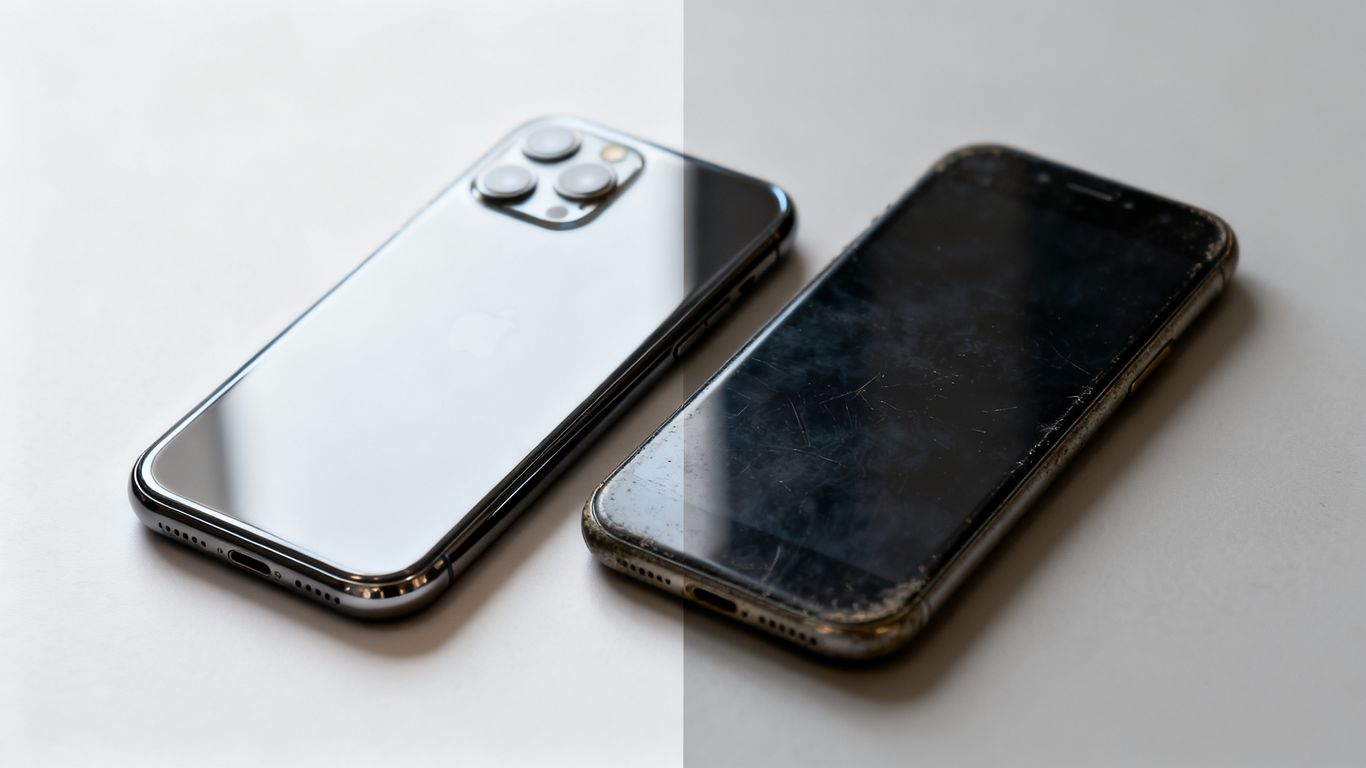
So, you're looking to snag a new phone without dropping a ton of cash. Smart move! But when you start searching, you'll see two main options: used and refurbished. They sound pretty similar, right? Both mean the phone isn't straight from the factory. But trust me, there's a whole world of difference between them, especially when it comes to what you actually get for your money. Let's figure out which one is the better deal for you.
Key Takeaways
- A 'used' phone is sold as-is, with no guarantees about its condition or functionality. Think of it as a gamble.
- A 'refurbished' phone has been professionally checked, repaired if needed, and cleaned, often coming with a warranty.
- Refurbished phones generally offer better reliability and peace of mind, performing closer to new devices.
- While used phones might be cheaper upfront, refurbished ones can offer better long-term value due to fewer potential issues.
- Choosing refurbished is also a more eco-friendly option, helping to reduce electronic waste.
Understanding The Core Differences
When you're looking to buy a phone without paying full price for a brand-new one, you'll likely run into two main options: used and refurbished. They sound pretty similar, right? Both mean the phone isn't new. But honestly, there's a pretty big gap between them, and knowing that gap can save you a lot of headaches and maybe some cash too.
What "Used" Truly Means
Buying a "used" phone is pretty straightforward. It's a device that someone else owned and is now selling, usually just as it is. Think of it like buying a car from a private seller. They tell you it runs, and you take their word for it. There are no guarantees that everything works perfectly. You might get a phone with a battery that barely lasts an hour, or maybe the screen has some tiny scratches you didn't notice at first. Often, these phones come with no warranty and no easy way to return them if something goes wrong. You're basically taking a gamble.
- No quality checks: The phone hasn't been professionally inspected.
- "As-is" condition: You accept it with all its potential flaws.
- No return policy: If it breaks soon after, you're likely stuck with it.
Defining A "Refurbished" Device
A "refurbished" phone, on the other hand, has gone through a whole different process. It's a pre-owned device that's been sent back, checked out by professionals, fixed if needed, and cleaned up. It's like buying a certified pre-owned car from a dealership. They make sure everything is in good working order before they sell it to you. This means any issues are usually sorted out, and the battery is often checked or even replaced if it's not up to par. You get a phone that's meant to work like new, but at a lower price. It's a much safer bet than just buying a used one.
The "As-Is" Versus "Restored" Analogy
Think of it this way: buying a used phone is like picking up a piece of furniture from a curb sale. It might look okay, but you don't know its history or if it's about to fall apart. You're buying it "as-is." A refurbished phone is more like that same piece of furniture that's been taken to a workshop, had any wobbly legs fixed, been sanded down, and given a fresh coat of paint. It's been restored to a good condition. You're not just getting something old; you're getting something old that's been made reliable again. This restoration process is what makes a refurbished device a much more predictable purchase than a simple used one. You can often find these restored devices on platforms like Back Market.
When you buy used, you're buying potential problems. When you buy refurbished, you're buying a solution to a problem (like a high price tag) with the problems of the device itself already solved.
Assessing Quality And Reliability
Professional Testing And Certification
When you're looking at a phone, especially one that isn't brand new, you want to know it actually works, right? That's where testing and certification come in. A refurbished phone goes through a whole process where technicians check it out, fix any problems, and make sure everything is working as it should. Think of it like a used car getting a multi-point inspection before it's sold by a dealership. They're looking for things like screen responsiveness, camera function, and charging port health. A used phone, on the other hand, is usually sold "as-is." This means you're taking a chance. You might get lucky, but you might also end up with a device that has hidden issues. Always look for proof of professional testing and certification; it's your first line of defense against buying a dud.
Battery Health Guarantees
Battery life is a big deal. Nobody wants a phone that dies after a few hours. With refurbished phones, reputable sellers often guarantee a certain battery health percentage, usually above 80%. This means the battery has been checked and is expected to perform well. You can often find this information clearly stated. For used phones, battery health is usually a complete unknown. You're just hoping for the best. It's worth asking about battery health specifically, but don't expect a guarantee with a used device. It's a gamble you might not want to take, especially if you rely on your phone throughout the day. A good battery is key to a good phone experience.
Cosmetic Condition Transparency
Let's be real, we all want our phones to look good. Refurbished sellers are usually pretty upfront about the cosmetic condition. They often grade phones based on appearance, like "Excellent," "Good," or "Fair," with descriptions of any minor scratches or scuffs. This helps you know exactly what you're getting before you buy. You can choose a grade that fits your budget and expectations. With used phones, the cosmetic condition can be a total surprise. You might see pictures, but they don't always show every little imperfection. Clear cosmetic grading is a sign of a trustworthy seller.
Here's a quick look at what to expect:
- Refurbished: Usually comes with clear cosmetic grading (e.g., A, B, Good). Minor wear is common but disclosed.
- Used: Condition can be uncertain. Scratches, dents, or other wear might not be fully visible or disclosed.
When buying any pre-owned device, transparency about its physical condition is super important. It sets expectations and helps avoid disappointment later on. You want to know if it's practically new-looking or if it's got some battle scars.
Navigating Warranties And Returns
The Peace of Mind With Refurbished Warranties
When you buy a refurbished phone, you're usually getting some level of protection. Most reputable sellers offer a warranty, which is a big deal. It means if something goes wrong shortly after you buy it, they'll likely fix it or replace it. This is a huge difference from buying used, where you're often on your own.
Think of it like this: buying refurbished is like getting a used car that's been checked over and comes with a short-term guarantee. Buying used is more like buying a car from a stranger in a parking lot – you hope for the best, but there are no promises.
- Look for at least a 30-day warranty. Some places even offer a full year. This gives you time to really test out the phone and make sure everything is working as it should.
- Check what the warranty covers. Does it include accidental damage, or just manufacturing defects?
- Understand how to make a claim. Is it easy to contact them, or is it a complicated process?
This kind of protection is why many people feel more comfortable with refurbished devices. It's a safer bet for your money.
Understanding Used Phone Return Policies
This is where buying used can get really tricky. Most of the time, when you buy a used phone, especially from an individual, there's no return policy. It's sold 'as-is.' That means once you hand over the cash, that phone is yours, problems and all. You might get lucky and find a seller who's willing to take it back, but don't count on it.
If you're buying used from a platform, check their policies carefully. Some might have buyer protection, but it's usually not as robust as what you'd get with a refurbished item. You might have a very short window to report issues, and the process can be a hassle.
Here’s what to watch out for:
- "As-is" sales are common. Be prepared for this reality.
- Limited return windows, if any.
- Potential restocking fees or return shipping costs if a return is even allowed.
It’s a gamble, and you need to be okay with that risk before you hand over your money.
What To Expect From Reputable Refurbishers
Reputable refurbishers want you to be happy with your purchase. They know that a good return policy and a solid warranty are key to building trust. They've put the device through checks, fixed any issues, and are confident in its performance. That's why they're willing to stand behind it.
You should expect clear information about the phone's condition, a working warranty, and a straightforward process if you need to return the device. They want you to feel good about your purchase, not stressed.
When you buy from a trusted source, you can usually expect:
- A clear grading system for the phone's cosmetic condition (e.g., excellent, good, fair).
- A warranty period that gives you peace of mind (often 30 days to a year).
- A simple return process if the phone isn't as described or has defects.
- Customer support that's actually helpful.
Choosing a seller that offers these things makes a huge difference in your overall experience. It’s about getting a good deal without the constant worry of something going wrong. For a safer purchase, consider looking into refurbished electronics that often include warranty protection.
Performance Expectations
So, you're wondering how these phones actually work after they've been around the block a few times? It's a fair question, and honestly, it's where the biggest differences between used and refurbished really show up.
How Refurbished Phones Perform
Think of a refurbished phone like a car that's been through a certified pre-owned program. It's not just someone's old car; it's been checked out, fixed up, and generally made to run like it's supposed to. Refurbished devices are put through rigorous testing to make sure everything is working perfectly. This means the camera should snap clear pictures, the screen should respond to your touch without a hitch, and the battery should hold a decent charge. You're not just getting a phone that powers on; you're getting one that's been professionally restored to full working order. Many places even guarantee a certain battery health, often over 85%, which is pretty solid. You can usually pick your cosmetic condition too, so you know what you're getting on the outside.
Potential Pitfalls Of Used Devices
Buying a used phone is more of a gamble. It's like buying that car from a random person on the street – you might get a gem, or you might end up with a lemon. With used phones, there are no guarantees. The battery might be shot, meaning it dies after just a few hours. The speakers might be crackly, or a button might be sticky. You really don't know how well it works until you have it in your hands, and by then, it's often too late to return it. It's sold "as-is," meaning you're taking on all the risk. You might save a bit more upfront, but you could end up spending more on repairs or dealing with a frustratingly slow or unreliable device. It's a big unknown, and that can be a real headache.
Ensuring A Seamless User Experience
To make sure you have a good time with whatever phone you pick, here are a few things to keep in mind:
- For Refurbished: Look for sellers who detail their testing process. A good refurbisher will tell you they run diagnostics on everything from the camera to the Wi-Fi. Check if they offer a warranty – this is your safety net if something does go wrong shortly after purchase. Also, see if they specify battery health. A clear description of cosmetic condition (like "excellent," "good," or "fair") helps manage expectations.
- For Used: Be super cautious. If possible, test the phone thoroughly before buying. Check the battery health if the phone allows it (some models show this in settings). Make sure all buttons work, the screen has no dead pixels, and the cameras are clear. If you can't test it in person, be very wary. Try to buy from platforms that offer some buyer protection, even if it's limited. You can often find great deals on used electronics, but do your homework.
Ultimately, you want a phone that just works without causing you stress. While used phones can be cheaper, the potential for performance issues and lack of support makes them a riskier bet for most people. Refurbished phones, with their testing and often included warranties, offer a much more predictable and reliable experience, making them a smarter choice for everyday use.
The Financial Equation
Let's talk money. When you're looking at phones, the price tag is usually the first thing that grabs your attention. And honestly, it should. You want to get the best bang for your buck, right? This is where understanding the difference between used and refurbished really pays off.
Cost Savings On Refurbished Models
Buying refurbished is like getting a phone that's been given a second chance, but without the full new-phone price. Think about it: these phones have been checked, fixed up, and cleaned. Because they aren't brand new, you automatically save a good chunk of cash. We're talking significant savings, often between 30% to 70% less than what you'd pay for a brand-new device. It's a smart way to get a quality phone that performs great without emptying your wallet. Plus, these devices tend to hold their value better over time compared to new ones, meaning you lose less money if you decide to sell it down the road.
The True Cost Of Used Phones
Now, a used phone might seem like the cheapest option upfront. You see a price, you buy it, simple. But here's the catch: that low price often comes with hidden costs. Since used phones are sold
Environmental Considerations
Thinking about the planet when you buy a phone? That's a smart move. Our old electronics pile up fast, creating a huge amount of e-waste. Choosing a refurbished phone is a really good way to help cut down on that.
Reducing E-Waste With Refurbished Choices
When you buy a new phone, it means more resources were used to make it, and eventually, it'll become waste. But when you get a refurbished device, you're basically giving a perfectly good phone a second life. This directly stops another device from ending up in a landfill. It's a simple action that makes a real difference. Plus, buying refurbished means you're not adding to the demand for new manufacturing, which uses a lot of energy and materials.
- Give a device a second chance: Instead of buying new, opt for a phone that's already been made.
- Cut down on landfill waste: Every refurbished phone you buy means one less phone in the trash.
- Lower manufacturing demand: This reduces the need for new raw materials and energy.
The Carbon Footprint Of Your Purchase
Making new electronics has a pretty big carbon footprint. Think about all the energy used in factories, shipping, and getting the materials. A refurbished phone skips most of that. Studies show that buying a refurbished device can generate significantly less carbon emissions compared to buying brand new. It's a tangible way to lessen your personal impact on the environment. For example, one refurbished device can save a lot of carbon emissions and raw materials compared to a new one [9d8f].
Supporting Sustainable Technology
By choosing refurbished, you're sending a message that you care about sustainability. You're supporting a circular economy where products are used for as long as possible. This encourages companies to focus more on repair and refurbishment rather than just churning out new models. It’s a way to vote with your wallet for a more responsible tech industry. It’s not just about saving money; it’s about making a conscious choice for a healthier planet.
Choosing refurbished tech is a practical step towards a more sustainable future. It directly addresses the growing problem of electronic waste and reduces the environmental toll associated with manufacturing new devices. Your purchase becomes part of a solution, not the problem.
So, when you're weighing your options, remember that going refurbished is a win for your wallet and a big win for the environment. It's a simple switch that has a positive ripple effect.
Where To Find Your Next Device
So, you've decided a refurbished phone is the way to go. Awesome choice! Now, where do you actually find one? It's not like they're just lying around on every street corner. You've got a few solid options, and knowing which ones are good and which ones to steer clear of can save you a lot of headaches.
Choosing A Reliable Refurbished Platform
When you're looking for a refurbished phone, you want a place that's got your back. Think of it like buying a used car – you want a dealer with a good reputation, not just some random person selling from their driveway. Reputable sellers will be upfront about the phone's condition and offer some kind of guarantee.
Here’s what to look for:
- Clear Grading System: They should tell you exactly what condition the phone is in. Terms like "Excellent," "Good," or "Fair" are common, and they should explain what each means. This helps you know if you're getting something that looks practically new or something with a few battle scars.
- Warranty: This is a big one. A decent warranty, usually at least 3-6 months, means if something goes wrong shortly after you buy it, they'll fix it or replace it. It’s that peace of mind.
- Return Policy: What if you get the phone and it’s just not what you expected? A good seller will have a clear return policy, often with a 30-day window.
- Secure Payment: You want to know your financial information is safe.
Some great places to start your search include well-known online retailers that have dedicated refurbished sections. You can often find good deals on certified used and refurbished phones from places like Amazon Renewed or Best Buy. Apple also has its own refurbished store, which is a pretty safe bet if you're set on an iPhone.
What To Avoid When Buying Second-Hand
Buying directly from an individual seller, like on a local classifieds site or social media marketplace, can sometimes get you the absolute lowest price. But honestly, it's usually not worth the risk. You're often buying "as-is," with no guarantees whatsoever.
Here’s a quick rundown of what to watch out for:
- No Checks: The seller hasn't had the phone professionally inspected or repaired. Any issues are your problem.
- Hidden Problems: The phone might have battery issues, screen problems, or even be locked to a carrier you can't use.
- No Returns: If it breaks a week later, you’re out of luck and out of money.
- Scams: Be wary of prices that seem too good to be true. They usually are. Also, avoid sellers who are pushy or won't let you inspect the phone properly.
If you do decide to go the private seller route, always meet in a public, safe place. Check the phone thoroughly before handing over any cash, and try to verify its IMEI number to make sure it's not reported stolen.
Seller Credibility And Customer Reviews
Before you hit that "buy" button, do a little digging. Check out the seller's reviews. Are people generally happy with their purchases? Do they mention good customer service? Look for patterns in the feedback.
Pay attention to reviews that mention the phone's condition matching the description, the ease of the return process, and how the seller handled any issues that came up. A few negative reviews are normal, but a lot of complaints about broken devices or poor support is a major red flag.
Don't just look at the star rating; read what people are actually saying. This can give you a much clearer picture of what to expect. Trustworthy sellers are transparent and have a history of satisfied customers. It’s better to pay a little more for a phone from a seller you can trust than to save a few bucks and end up with a dud.
Making The Smarter Purchase Decision
So, you've weighed the pros and cons, looked at the numbers, and considered the environment. Now comes the big question: which path is the right one for you? It really boils down to what you need and how much risk you're comfortable with.
When A Used Phone Might Suffice
Look, sometimes a used phone just makes sense. Maybe you need a super cheap backup device for a trip, or you're a student on a really tight budget and just need something that makes calls and texts. If you're buying from a friend you trust implicitly, and they've taken good care of their phone, it might be okay. Just remember, you're taking on all the risk. There's no safety net here. If it breaks a week later, that's on you. It's a gamble, plain and simple. If you do go this route, try to meet in person, check the IMEI, and make sure all accounts are cleared off. It's a bit of a treasure hunt, and sometimes you find a gem, but often you just find a dud.
Why Refurbished Offers Better Value
For most people, though, refurbished is the way to go. It's like getting a car that's been inspected, had any issues fixed, and comes with a limited warranty, all for a lower price than a brand-new model. You get that peace of mind knowing the phone has been checked over by professionals. The battery is usually guaranteed to be in good shape (often 80% or higher), and if there are cosmetic flaws, they're usually clearly described. This means you're getting a device that looks and works great, without the full price tag. It's a much more predictable and reliable choice than buying used. You can often save between 30% to 60% compared to buying new, which is a pretty significant chunk of change.
The Verdict: Refurbished Vs Used Phone
Ultimately, the decision is yours, but let's be real. If you want a phone that's going to last, perform well, and not leave you with buyer's remorse, refurbished is almost always the smarter buy. It strikes that sweet spot between affordability and reliability. Buying used is like rolling the dice – you might win big, but you're just as likely to end up with a headache. Refurbished tech, on the other hand, is about making a calculated choice for value and dependability. It's not just about saving money; it's about getting a quality product that's been given a second life, which is good for your wallet and the planet. For a more in-depth look at how to choose, check out this guide on making the best mobile choice.
Here's a quick rundown:
- Used Phone: Cheapest upfront, highest risk, no guarantees, sold "as-is".
- Refurbished Phone: Lower cost than new, professionally checked, often comes with a warranty, better reliability.
Think about it: do you want a surprise, or do you want a solid, dependable device at a great price? For most of us, the answer is pretty clear.
Ready to make a smarter buy? Don't guess if you're getting a good deal. Our tool checks prices, spots fakes, and finds better options for you. Stop overpaying and start saving today! Visit our website to learn more and try it out.
So, What's the Verdict?
Alright, so we've gone over the nitty-gritty. When it comes down to it, if you're looking for a phone that's going to work well without breaking the bank, a refurbished device is usually the way to go. You get that peace of mind knowing it's been checked out and fixed up, plus you're saving some cash and doing a little something for the planet. Buying a used phone? Sure, it might be cheaper upfront, but you're really rolling the dice on whether it'll actually work right or last you a decent amount of time. For most people, the extra bit you spend on refurbished is totally worth avoiding the headaches later on. Think of it as getting a solid deal with fewer surprises.
Frequently Asked Questions
What's the main difference between a used phone and a refurbished one?
Think of it like this: a used phone is sold just as it is, straight from the previous owner, with no checks. A refurbished phone, however, has been looked over by pros. They test everything, fix any issues, clean it up, and make sure it's working great, almost like new!
Are refurbished phones reliable?
Absolutely! Because they go through a thorough testing and repair process, refurbished phones are usually very reliable. Plus, many sellers offer a warranty, so you have extra peace of mind.
What about the battery life on a refurbished phone?
Good question! Most reputable places that sell refurbished phones guarantee that the battery will be at least 80% healthy. Some even replace the battery if it's not up to par, so you're usually in good hands.
Can I expect cosmetic flaws on a refurbished phone?
Sometimes, yes. Refurbished phones might have minor cosmetic stuff like tiny scratches, but they're usually graded so you know what to expect. The important thing is that all the functions work perfectly.
What are the risks of buying a used phone?
Buying a used phone can be a gamble. You might not know if everything works correctly, the battery could be weak, or there could be hidden damage. Plus, there's usually no warranty or return policy if something goes wrong.
Do refurbished phones come with a warranty?
Yes, most of the time! A warranty is a big plus for refurbished phones. It means if something breaks or doesn't work right within a certain period, you can get it fixed or replaced. It's a safety net you often don't get with used phones.
How much money can I save with a refurbished phone?
You can save quite a bit! Refurbished phones are usually much cheaper than brand-new ones, often saving you anywhere from 30% to 60% or even more, depending on the model and its condition.
Is buying refurbished better for the environment?
Definitely! When you buy a refurbished phone, you're helping to reduce electronic waste, which is a huge problem. You're giving a device a second life instead of it ending up in a landfill, and that's a great way to be more eco-friendly.