So, you're thinking about buying a used electric car in 2026? It's a smart question to ask, especially with how the market's been moving. New EV deals have shifted, used prices are doing their own thing, and honestly, there's a lot of noise out there about batteries and what repairs might cost. It can feel like a puzzle trying to figure out if you're getting a good deal or just a fancy paperweight. Let's break down if buying used is actually the right move for you.
Key Takeaways
- The used electric car market in 2026 is tricky. Prices for some models, like Teslas, have actually gone up recently, while others might be dropping. You really need to check current prices and compare.
- Battery health is a big deal. Always check the battery warranty, look for signs of wear, and understand how much a degraded battery will affect the car's value and your driving experience.
- Don't forget about charging. Make sure you can charge at home or work easily, and factor in the cost of installing a Level 2 charger if you need one.
- Look beyond the sticker price. Consider the total cost of ownership, including running costs, potential repairs, and financing options, to see if a used EV truly saves you money.
- Always do your homework. Get a pre-purchase inspection, check the vehicle's history for any major issues like accidents or branded titles, and compare used EVs against new alternatives before you buy.
Assessing the Value Proposition: Is It Worth Buying Used?
So, you're looking at a used electric car, maybe a Tesla, and wondering if it's actually a smart move in 2026. It's a fair question. The market's been a bit wild lately, with new EV incentives shifting and used prices doing their own thing. It feels like you need a crystal ball sometimes to figure out if you're getting a good deal or just buying someone else's problems.
Understanding the Shifting Market Dynamics
Forget what you thought you knew about used car prices. The landscape for electric vehicles, especially Teslas, has changed. While many other used cars have seen prices drop, used EVs have actually seen a bit of an uptick recently. This means your usual car-buying strategies might not apply. You really need to dig in and see if the specific car you're looking at makes sense right now, not just based on past trends. It’s not as simple as it used to be, but that doesn't mean there aren't good deals to be found.
Key Factors Influencing Used Car Prices
When you're looking at a used EV, several things really move the needle on price. Obviously, the model and year matter, but for electric cars, battery health is a huge one. A car with a battery that’s still strong and has plenty of life left will command a higher price than one that’s showing signs of wear. Mileage is also a factor, but perhaps less so than battery condition for EVs. Don't forget about the software features – things like Autopilot or any performance upgrades can add significant value, but you need to make sure they transfer with the sale. Always check the remaining factory warranty because that can be a big money-saver if something goes wrong.
Here’s a quick look at what influences price:
- Battery Health: The biggest factor. A healthy battery means more range and fewer worries.
- Mileage: Still important, but battery condition often trumps high miles.
- Software Features: Autopilot, FSD, performance upgrades – confirm what's included.
- Warranty: How much factory coverage is left?
- Condition: Both interior and exterior wear and tear.
The Role of Incentives in Purchase Decisions
Incentives used to be a massive driver for new EVs, and their changes have definitely rippled through the used market. While you might not get the same tax credits on a used car as you would on a brand-new one, some state or local incentives might still apply, especially if you're a first-time EV buyer. It’s worth doing a quick search for what’s available in your area. Even a small incentive can make a difference when you're comparing the total cost of ownership. Remember, the goal is to find the best overall value, and incentives can be part of that equation, even if they're not the main attraction anymore. You can explore how to navigate the car buying process to understand these financial aspects better.
Navigating the Used Tesla Landscape in 2026
So, you're thinking about a used Tesla in 2026? Smart move. The market's a bit different now than it was a few years ago, with prices doing their own thing. It's not just about finding a Tesla you like anymore; it's about figuring out if that specific car at that price is actually a good deal for you. Let's break down the main players.
Model 3: The Sensible Electric Sedan Choice
For a lot of people, the Model 3 is the sweet spot. It's usually the most affordable way to get into a Tesla, and you still get that quick acceleration and decent range. If you're looking at older ones, say from 2018 to 2020, you can find some really attractive prices. Just make sure to check the battery health on those. The 2021 to 2022 models often have some nice hardware upgrades without the brand-new price tag. The Model 3 often hits that sweet spot between cost, features, and practicality.
Here's a rough idea of what you might see price-wise in early 2026:
| Model Year Range | Typical Price Range (USD) |
|---|---|
| 2018–2019 | $18,000 – $24,000 |
| 2020–2022 | $22,000 – $28,000 |
| 2023–2024 | $27,000 – $35,000 |
Model Y: Practicality Meets Electric Performance
Need more space? The Model Y is your go-to. It's basically a roomier, higher-riding version of the Model 3, with more cargo room. Because of that extra utility, used Model Ys usually cost a bit more than their Model 3 counterparts. If you need that space for family or gear, the premium can still make sense, especially when you compare it to a new gas-powered SUV and factor in the fuel savings. You're looking at prices generally higher than the Model 3, but still often a good deal for the space you get.
Older Luxury Models: S and X Considerations
Thinking about a used Model S or Model X? These can feel like a steal – getting into a luxury vehicle for way less than new. But, be aware. Older, high-mileage S and X models can come with more potential for expensive repairs. Things like the air suspension, door handles, or the big infotainment screens can be costly if they act up out of warranty. The Model X, with its falcon-wing doors, adds complexity that could mean more repair headaches down the line. If you're eyeing these, really dig into the maintenance history and battery condition. A well-maintained older luxury model can be a great buy, but it requires more careful checking. You can often find these models from 2016-2019 in the $25,000 to $40,000+ range, but the riskier they are, the cheaper they'll be.
When you're looking at any used Tesla, don't just focus on the year. The battery size (Standard, Long Range, or Performance) and whether it's rear-wheel drive (RWD) or all-wheel drive (AWD) can actually matter more than the exact model year. A 2019 Long Range that's been babied might be a smarter purchase than a 2021 Standard Range that's seen better days.
Remember to always compare listings against multiple sources, not just one website. You can often find used Teslas in the mid-$20,000s to low-$40,000s range, depending heavily on the factors we've discussed. Check out current market prices to get a feel for what's out there.
Evaluating Electric Vehicle Battery Health and Longevity
Okay, let's talk about the elephant in the room when you're looking at a used EV: the battery. It's the heart of the car, and its health directly impacts range and, well, everything. You can't just kick the tires and call it good.
Understanding Battery Warranties for Used EVs
First off, check the warranty. Most EVs come with a pretty solid battery warranty, usually around 8 years or 100,000 miles, sometimes more. This is key because it often guarantees a minimum battery capacity, like 70%. Knowing how much warranty is left is a big deal. A car with three years of coverage remaining is a much safer bet than one that's about to be out of its battery warranty. Always ask for the car's original in-service date and mileage to figure this out. Don't just trust what the seller says; verify it.
Signs of Battery Degradation to Watch For
So, how do you spot a tired battery? The most obvious sign is reduced range. If the car's display shows a significantly lower maximum range than what it originally had when new, that's a flag. Don't rely solely on the dashboard's guess, though. Ask the seller about their charging habits. Were they mostly using Level 2 home charging, or were they constantly hitting DC fast chargers? Frequent fast charging, especially to 100% regularly, can speed up degradation. Also, listen for any unusual noises or error messages related to the battery or charging system. A quick test drive should reveal if the car charges normally on both AC and DC power.
Here's a quick rundown of what to look for:
- Range Discrepancy: Compare the current full-charge range to the original EPA rating for that specific model and trim. A big difference is a warning sign.
- Charging Habits: Ask how the car was typically charged. Mostly Level 2 at home is good. Constant DC fast charging needs a closer look.
- Error Messages: Make sure there are no persistent battery or charging system alerts on the dashboard.
- Warranty Remaining: Confirm the original in-service date and mileage to understand how much battery warranty is left.
The Impact of Battery Condition on Value
Battery health directly affects the car's value. A battery with significant degradation will offer less range, making the car less practical for many people. This means it's worth less. You can get a professional battery health report, sometimes called a State of Health (SoH) report, which gives you actual data on the battery's usable capacity and condition. This is way better than just guessing based on the displayed range. A car with a healthy battery and plenty of warranty left will command a higher price, and rightly so. It's worth the effort to get a battery health report before you commit, as it can save you a lot of headaches and money down the road.
Don't be afraid to ask tough questions about the battery. It's the most expensive part of the car, and its condition is the biggest factor in a used EV's long-term usability and resale value. A little digging now can prevent major disappointment later.
Charging Infrastructure and Home Setup Requirements
Switching to an EV like a used Tesla sounds great until you have to figure out how—and where—you’re actually going to keep it charged. For a lot of us, this turns out to be the main difference between loving the whole electric car thing and regretting the decision. Let’s break down what really matters before you commit to buying used.
Assessing Home Charging Feasibility
Here’s the question you’ve got to answer right away: Can you charge at home most nights or not? If charging is easy, EV life just clicks. If not, it gets frustrating, fast. You don't need a fancy garage, but you do need a reliable place to plug in—driveway, assigned parking, whatever works for your setup.
A quick checklist for figuring this out:
- Walk out at night and look at your actual parking situation. Could you drag a cord there? Is there a nearby outlet?
- If you rent or share parking, ask your landlord about running a line or adding a plug now, not after you buy.
- Think about your schedule. Would plugging in—even with a regular outlet—get you enough range for your weekly routine?
You don’t have to own a home or live in suburbia to buy used electric; some folks manage just fine with creative solutions—even without a garage. But be brutally honest now. The wrong time to discover your charging plan is a headache is after you already closed the deal.
If charging at home simply isn’t going to work, check out practical strategies for buying a used EV without home charging.
The Cost of Installing a Level 2 Charger
Level 2 charging is the sweet spot—fast enough to top you up overnight, not outrageously expensive to install. You’ll need a 240-volt outlet, like one for an electric dryer. Here’s what you should consider:
| Install Task | Typical Cost (2026 USD) | Notes |
|---|---|---|
| Electrician Labor | $400–$1,000 | Location impacts cost |
| Charger Hardware | $350–$900 | Shop for deals |
| Permit & Inspection Fees | $50–$200 | Check local rules |
A few tips:
- Get two or three quotes from certified electricians. Prices swing a lot.
- Ask about upgrading your panel if your house is older or full. Sometimes that’s the pricey part.
- Factor in hardware: a basic Level 2 unit is fine, no need for smart features unless you want them.
Public Charging Network Access for Used EVs
Not everyone has a driveway, so public charging might be a must. The network’s way better than it was a few years back, but it’s not gas-station simple yet. Here’s how to make sure you’re set:
- Map out charging stations close to home, work, and places you visit regularly.
- Test out a charger before buying—even borrow a friend’s EV for a day. Try charging midday and at night to see crowding/how reliable it feels.
- Look up charging costs—some networks are cheap, others expensive. Price it out based on your real commutes.
A lot of buyers worry that homes with built-in charging will get more expensive—and there’s some truth to that. Having an EV setup in place could actually increase your home's value over time, as more folks start shopping for properties ready for electric cars (see more about how EV charging can affect home value).
Bottom line: think less about what looks cool in an ad, and more about what fits your actual life. Nailing the charging piece now makes everything else about owning a used EV so much easier.
Beyond the Sticker Price: Total Cost of Ownership
So, you've crunched the numbers on the purchase price, but what about everything that comes after you drive off the lot? Thinking about the total cost of ownership (TCO) is where you really start to see the long-term financial picture of a used EV. It's not just about what you pay today; it's about what you'll spend over the next few years.
Calculating Running Cost Savings
This is where EVs often shine, especially when you compare them to gas cars. Electricity is generally cheaper per mile than gasoline, and EVs have fewer moving parts, meaning less maintenance. But don't just take someone's word for it; do a little digging for your specific situation.
- Estimate your monthly electricity cost: Use online calculators or your own utility bill to figure out what charging at home might cost. For example, if electricity is $0.15 per kWh and your car uses 30 kWh per 100 miles, that's $4.50 for every 100 miles driven. Compare that to your current gas car's cost per mile.
- Factor in mileage: How much do you drive? A daily commute of 50 miles adds up quickly. The more you drive, the more those fuel savings will matter.
- Consider charging habits: Relying heavily on public fast chargers will cost more than charging overnight at home. Make sure your daily routine supports convenient and cheaper home charging.
The real savings come from understanding your personal driving habits and local electricity rates. Don't rely on generic claims; get specific with your own numbers.
Potential Repair Expenses for Used EVs
While EVs typically have lower maintenance needs than gas cars (no oil changes!), there are still potential repair costs to consider, especially with a used vehicle. The biggest ticket item is usually the battery pack.
- Battery health is key: A used EV's battery might not hold a charge as long as a new one. Look for reports on battery health and understand the remaining warranty. A degraded battery can significantly impact range and value.
- High-voltage components: While rare, major issues with the battery or electric motor outside of warranty can be very expensive. Research common problems for the specific model you're considering.
- Tires and brakes: EVs are heavier, which can mean faster tire wear. Also, while regenerative braking saves the physical brakes, they still need maintenance.
Financing Options and Budgetary Considerations
When you're looking at a used EV, the financing can be a bit different than for a traditional car. It's important to look beyond just the monthly payment.
- Loan terms: Understand the interest rate and loan term. A longer term might lower your monthly payment, but you'll pay more interest over time. The average cost of owning a new car can be quite high, so a used EV can offer significant savings over its lifespan.
- Insurance costs: Get insurance quotes before you buy. Some EVs can be more expensive to insure due to repair costs or the technology involved.
- Home charging setup: Don't forget the cost of installing a Level 2 charger at home if you don't already have one. This can be a few hundred to a couple thousand dollars, depending on your electrical setup.
Thinking through these costs will give you a much clearer picture of whether that used EV is truly a good deal for your wallet in the long run. It's about more than just the sticker price; it's about the total financial commitment. Remember, the average cost of owning a new vehicle is substantial, so a used EV can be a smart financial move if you plan carefully for the total cost.
Risks and Red Flags When Buying Used
Okay, so you've crunched the numbers and you're leaning towards a used EV. Smart move, potentially. But before you hand over your cash, let's talk about the stuff that could go wrong. Buying used, especially an EV, isn't like picking up a used toaster. There are some specific things you absolutely need to watch out for.
Identifying Warning Signs in Vehicle History
This is where you play detective. A car's history report, like a Carfax or AutoCheck, is your first stop. Don't just glance at it; really dig in. Look for anything that seems off. Multiple owners in a short period? That could mean something's up. Major accidents, even if repaired, are a big deal. You want to see a clean history, or at least one with minor incidents that were properly fixed. A salvage or rebuilt title is an immediate walk-away sign. Seriously, don't even consider it unless you're an expert mechanic looking for a project, and even then, be super cautious. Also, check for any reported flood damage – that stuff can cause electrical gremlins for years.
The Importance of Pre-Purchase Inspections
This is non-negotiable. You wouldn't buy a house without an inspection, right? Same goes for a used EV. Find a mechanic who specializes in electric vehicles, not just any old shop. They'll have the right tools and knowledge to check things you can't. They can hook up diagnostic tools to check the battery health, look for any error codes, and inspect the suspension, brakes, and charging port. It might cost you a couple hundred bucks, but it could save you thousands down the road. Think of it as an investment in peace of mind. If the seller refuses a pre-purchase inspection, that's a huge red flag right there.
Understanding Branded Titles and Recalls
We touched on branded titles, but it's worth repeating. A branded title means the car has been declared a total loss by an insurance company due to damage (like collision, flood, or fire) and then repaired. This significantly impacts the car's value and can lead to future problems. Always verify the title status. You can use the National Motor Vehicle Title Information System's federal database to check for title brands. Beyond titles, check for any outstanding recalls. Manufacturers offer recalls to fix safety defects, and it's usually free. Make sure all recalls for the specific VIN have been addressed. You can usually check this on the manufacturer's website or the NHTSA website. Ignoring recalls can be dangerous and costly.
Comparing Used EVs to New Alternatives
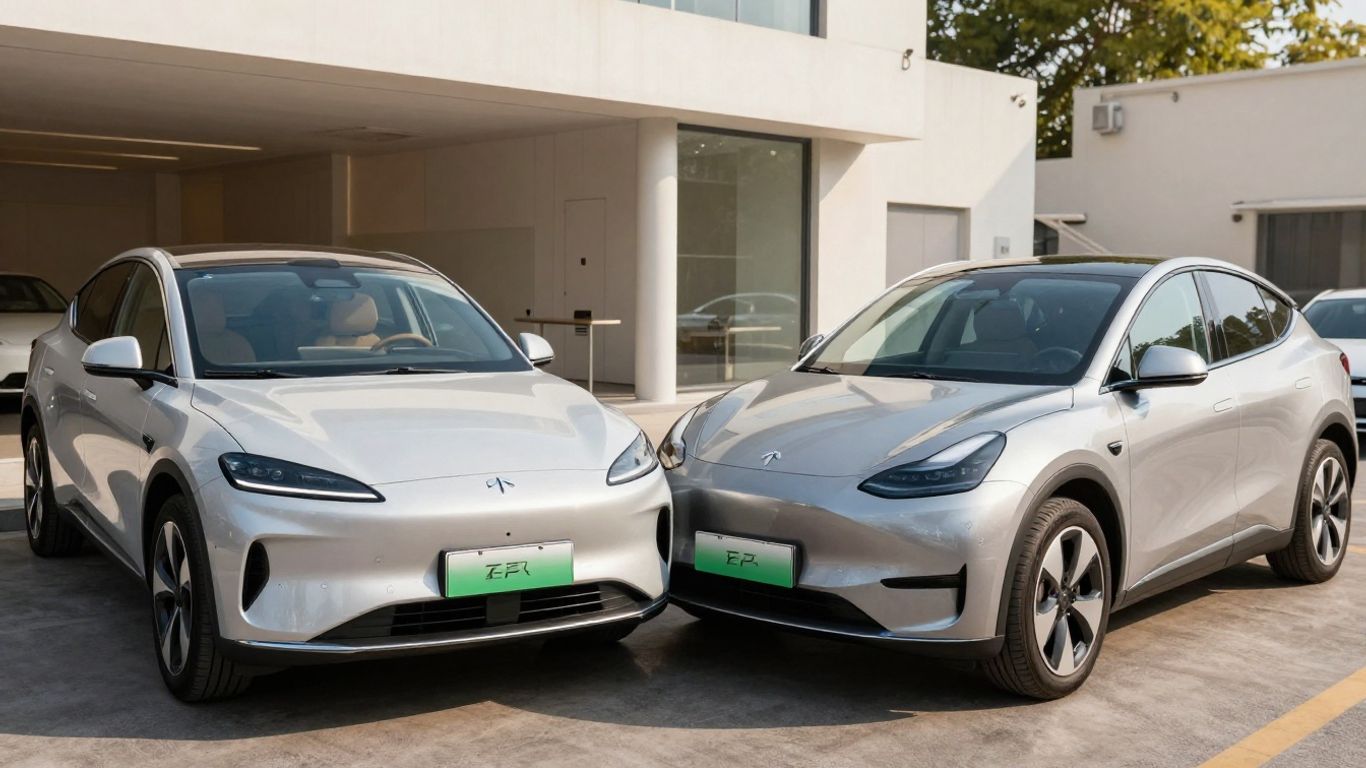
So, you're looking at a used EV, maybe a Tesla, and wondering how it stacks up against a shiny new one or even a familiar gas car. It’s a big question, and honestly, the answer isn't always straightforward. Sticker price is just the start; you've got to look at the whole picture.
Used Tesla vs. New Electric Vehicles
When you compare a used Tesla to a brand-new EV from another maker, the first thing that jumps out is the price. A used Model 3 from, say, 2020 might be thousands less than a new compact EV. But that new EV comes with a full factory warranty, the latest tech, and maybe even some state or local incentives that have dried up for used models. On the flip side, a used Tesla gives you access to that amazing Supercharger network, which can make road trips way less stressful than with some other charging setups. Plus, Teslas are generally pretty quick and efficient, and they get those over-the-air updates that can add new features over time.
Here’s a quick breakdown to help you think it through:
- Used Tesla: Lower upfront cost, access to Superchargers, proven performance, potential for software upgrades. Watch out for battery health and shorter remaining warranty.
- New EV (non-Tesla): Full warranty, latest features, potential for new incentives. Higher price tag, and charging network convenience can vary.
Don't just look at the price tag; run the numbers on total cost of ownership. A used EV might save you a bundle initially, but factor in fuel savings, maintenance, and potential repair costs over the years.
Used EVs vs. Traditional Gasoline Cars
This is where things get really interesting for many buyers. A used EV, even with its potentially higher initial cost compared to a similar-year gas car, can often win out in the long run. Think about it: no more gas station stops, no more oil changes, fewer moving parts to break. The savings on fuel alone can be substantial, especially if gas prices decide to take a hike again. Plus, the driving experience is just different – that instant torque and quiet ride are pretty addictive. However, gas cars still have their place. The upfront price is often lower, and you can get them serviced pretty much anywhere. If you don't have easy access to charging at home or work, or if you do very few miles each year, a gas car might still make more sense for your situation.
| Cost Factor | Used EV (Example) | Gasoline Car (Example) | Notes |
|---|---|---|---|
| Purchase Price | $25,000 | $18,000 | Varies widely by model and condition |
| Fuel Cost (Annual) | $400 | $1,500+ | Based on average mileage and electricity/gas prices |
| Maintenance (Annual) | $300 | $700+ | EVs generally have fewer maintenance needs |
Remember, the fuel savings from an EV can really add up over time, potentially offsetting a higher purchase price. It’s worth calculating your specific usage.
The Value of Advanced Software Features
One of the cool things about many EVs, especially Teslas, is the software. These cars are basically computers on wheels. Over-the-air updates can add new features, improve efficiency, or even boost performance long after you've bought the car. This is something you don't typically get with a gasoline car. When looking at a used EV, check what software features are included and if there are any subscription costs involved for things like enhanced autopilot or premium connectivity. Sometimes, these features are tied to the original owner or require a one-time purchase or ongoing fee. Make sure you understand what you're getting, as these software elements can add significant value and change the ownership experience. If you're eyeing a used EV, check out resources that can help you understand EV tax credits that might still be available for certain models or situations, even if they've changed significantly.
Exploring Niche Electric Vehicles: The Rivian R1S Example
So, you're looking beyond the usual suspects and eyeing something a bit more… adventurous? The Rivian R1S definitely fits that bill. It’s not your typical three-row SUV; it’s built for folks who want to haul people and tackle trails. If you're considering one in 2026, you're likely looking at models from 2022-2025, and there's a real opportunity here because these vehicles have seen some pretty significant depreciation.
Assessing the Appeal of Performance EVs
Let's be real, you don't buy an R1S to be sensible. You buy it because you want that blend of luxury, serious off-road chops, and electric power. It's a vehicle that feels like an event every time you drive it. Think about your actual driving habits, though. Are you planning epic overland trips every weekend, or are most of your miles just school runs and grocery store trips? The R1S is incredibly capable, but if you're not going to use its full adventure potential, you might be overpaying for features you'll rarely touch. A Dual Motor setup with more road-friendly tires is often a quieter, more efficient choice for daily life and still handles dirt roads just fine.
Understanding Early Production Quirks
Buying an early model from a newer brand like Rivian means you might run into some quirks. Owners have reported things like suspension noises or software glitches. There have also been a few recalls, so it's super important to check that any outstanding recalls have been properly fixed. You can usually verify this through Rivian's service portal or by asking the seller for documentation. It’s not a set-it-and-forget-it kind of car like some older, established models. You'll want to be comfortable with the idea of potentially needing a service visit or two, and that Rivian's mobile service can handle many common issues right at your home.
Depreciation as an Opportunity for Buyers
This is where the used market really shines for the R1S. When these first came out, they were priced like premium luxury SUVs. Now, a few years later, you can often find them for significantly less than their original sticker price. We're talking potential price drops of 30-45% or more on early builds. This means you might be able to snag a well-equipped R1S for the price of a new, mid-trim gasoline SUV. It’s a great chance to get into a high-performance, three-row EV without taking the initial depreciation hit. Just remember, if a deal seems too good to be true, it probably is. Always investigate why a price is so low – it could be a branded title, outstanding recalls, or heavy off-road use.
Here’s a quick look at what you might find:
| Powertrain & Pack | Approx. EPA Range* | Real-world Character |
|---|---|---|
| Dual Motor + Standard | ~270 miles | Plenty quick, lowest price, shortest range |
| Dual Motor + Standard+ | ~315 miles | Good balance of price and range |
| Dual Motor + Large | ~350 miles | Great for road trips, stops less |
| Quad Motor + Large | ~320–340 miles | Insane performance and off-road traction |
*Range can vary based on wheels, tires, and temperature. Always treat EPA ratings as best-case scenarios.
When you're looking at used R1S models, pay close attention to the configuration. The battery pack and motor setup will significantly impact range and performance, and they're a big reason for price differences. Don't get too hung up on the 'Max pack' if a 'Large' or 'Standard+' pack meets your daily needs – they're easier to find and usually cheaper. You can often compare similar used EVs nationwide to see how an R1S stacks up against the market on sites that track this.
Before you buy, verify battery health and confirm all recalls have been addressed. Having a seller or platform that can walk you through the vehicle's history and provide clear data is a huge plus. If you're looking for a unique, capable, and stylish electric SUV, a used R1S could be a fantastic find, but it requires a bit more homework than your average used car.
Making the Final Decision: Is It Worth Buying Used?
So, you've crunched the numbers, checked the battery health, and maybe even taken a few test drives. Now comes the big question: is buying a used EV, specifically a Tesla, the right move for you in 2026? It's not a simple yes or no, but by matching your lifestyle to what these cars offer, you can make a confident choice.
Matching Your Lifestyle to EV Ownership
Think about your daily commute, weekend adventures, and how you typically use your car. Do you need a sedan for city driving, or a larger SUV for family trips? A used Model 3 might be perfect if you're looking for an efficient daily driver with good range. If you need more space for passengers or gear, a used Model Y could be the ticket. For those who want a bit more luxury or a larger vehicle, older Model S or X might be tempting, but remember to factor in potential repair costs for those more complex systems. It’s about finding the car that fits your life, not just the one with the lowest price tag.
The Calm Before the Exciting Purchase
Before you sign on the dotted line, take a deep breath. You've done your homework, and that's half the battle. Here’s a quick checklist to run through:
- Battery Health Report: Do you have a clear picture of its current condition and remaining warranty?
- Vehicle History: Any red flags in the accident or service records?
- Charging Plan: Is home charging feasible, and do you know your public charging options?
- Total Cost: Does the purchase price, plus potential repairs and charging, fit your budget?
If you're feeling good about these points, you're likely on the right track. Remember, buying a used EV is a smart way to get into electric driving, especially when you find a good deal on a car that suits your needs. It’s about smart savings and embracing new technology without the initial hit of a brand-new car. For many, this balance makes a used Tesla a really solid choice.
Leveraging Resources for Informed Choices
Don't go it alone. There are plenty of resources to help you finalize your decision. Online forums and owner groups can offer real-world insights into specific models and years. If you're still on the fence about whether a used car is the right path for you, comparing it to new alternatives can provide clarity. Sometimes, seeing the numbers laid out side-by-side helps solidify your choice. If financing is a concern, explore options that don't stretch your budget too thin; using financing as a safety filter is key to long-term satisfaction. Ultimately, the goal is to drive away happy, knowing you made a practical and informed decision.
Thinking about buying something used? It can be a great way to save money, but sometimes it's hard to know if you're getting a good deal or if the item is truly worth the price. You might wonder if there's a better offer out there or if the seller is trustworthy. Before you click 'buy,' make sure you're making the right choice. Visit our website to learn how you can check any listing instantly and buy with confidence!
So, Is It Worth It?
Alright, let's wrap this up. Buying used in 2026, especially for things like cars, can totally make sense. You can snag some pretty sweet deals and get more bang for your buck. But, and this is a big 'but', you've really got to do your homework. Don't just jump on the first thing you see. Check the condition, know the history, and make sure it fits your life and your wallet. If you're smart about it, going the used route can be a really good move. Just remember to be a savvy shopper and not get caught up in the hype.
Frequently Asked Questions
Is it still a good deal to buy a used Tesla with all the new car incentives changing?
Totally! Even with new car deals shifting, a used Tesla can still be a smart buy in 2026. Think of it this way: you get a lot of cool tech and performance for way less cash than buying new. Just make sure you check the price, how many miles it's got, and if the battery is in good shape. Sometimes, a used one is the better financial move.
How many miles on a used Tesla is too many?
That's a great question! There's no single magic number, but generally, Teslas with under 60,000 miles are often a safer bet. Cars with over 100,000 miles might need more attention soon, especially if they're older. Always look at the car's overall condition and check its battery health report. More miles usually means a lower price, but also potentially more repairs down the road.
If I buy a used Tesla, does the warranty still apply to me?
Good news! Most Tesla warranties, especially for the battery and drive unit, actually stick with the car, not just the first owner. They usually last for 8 years from when the car was first put on the road. So, even if you're the second or third owner, you might still have some warranty coverage left, which is a big plus.
Can I get a mechanic to check out a used Tesla before I buy it?
Absolutely, and you totally should! It's called a pre-purchase inspection (PPI). Find an independent mechanic who knows electric cars, especially Teslas. They can spot issues you might miss, like problems with the battery, suspension, or electronics. It's a small cost that can save you a ton of money and headaches later.
Are older Model S and Model X cars worth buying now?
They can be, but you need to be extra careful. Older luxury Teslas like the S and X can seem like a steal compared to their original price. However, they often have more complex systems that can be expensive to fix if they break, especially out of warranty. Make sure you're okay with potentially higher repair costs and that the battery is still strong.
What's the cheapest Tesla I can buy that's still a decent choice?
For most people, a used Model 3 is probably the sweet spot. You can often find earlier models (around 2018-2020) for a good price. If you can stretch your budget a bit, a 2021-2022 Model 3 usually has some nice upgrades. Just make sure the battery is healthy and you're comfortable with the range it offers for your daily driving.
Should I buy a used Tesla from a private seller or a dealership/online marketplace?
Both have pros and cons. Private sellers might offer a lower price, but you have less protection if something goes wrong. Dealerships or online platforms often offer inspections, warranties, and financing, but the price might be a bit higher. Do your homework on the seller, check the car's history thoroughly, and get that pre-purchase inspection no matter who you buy from.
What happens if the battery in my used Tesla dies later on?
If the battery fails outside of its warranty period, replacing it can be really expensive – we're talking thousands of dollars. While Tesla batteries are pretty tough and often last a long time, it's a risk you take with any used EV. That's why checking the battery health and understanding the remaining warranty is super important before you buy.