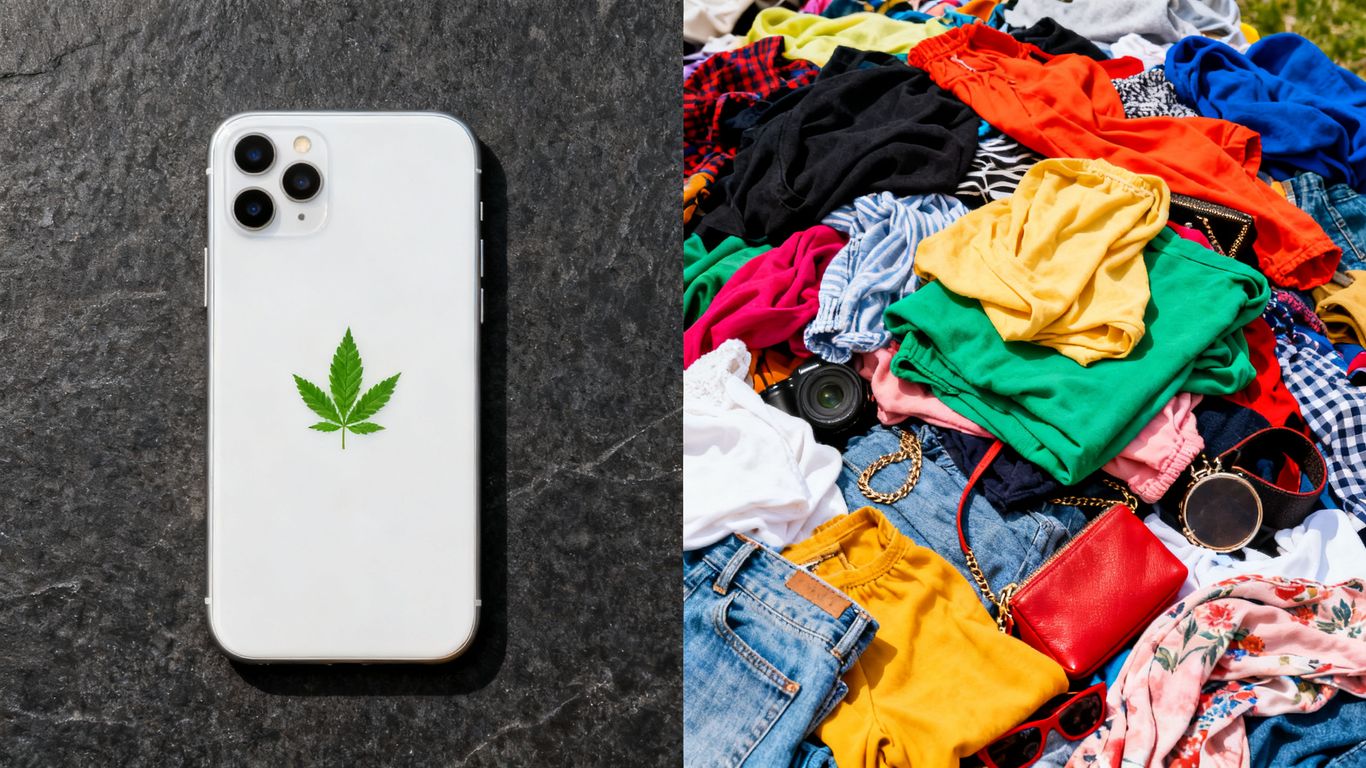
Thinking about buying refurbished electronics? You've probably heard of BackMarket and Vinted, but which one is the better choice for snagging a deal? It's not always a simple answer, as they operate quite differently. Let's break down what you need to know about BackMarket vs Vinted so you can make a smart purchase.
Key Takeaways
- BackMarket focuses on professional refurbishers, offering a more controlled buying experience with warranties and quality checks, similar to buying new. Vinted, on the other hand, is a peer-to-peer marketplace where you buy directly from individuals, which can be riskier for electronics.
- When buying electronics, especially, BackMarket's approach with professional sellers and guarantees is generally safer. Vinted is great for clothing and accessories, but for tech, you might face issues with unseen defects or poor repairs from private sellers.
- Always check the warranty, return policies, and seller reputation, no matter which platform you use. BackMarket typically offers a 12-month warranty, while Vinted's buyer protection is more basic and relies heavily on the individual seller.
- Consider the long-term value. A slightly higher price on BackMarket for a professionally refurbished item with a warranty might save you money in the long run compared to a cheaper item from Vinted that breaks quickly.
- For electronics, prioritize platforms that vet sellers and offer solid guarantees. While Vinted is excellent for fashion, BackMarket is generally the better option for refurbished tech due to its focus on professional sellers and buyer protection.
Understanding Refurbished vs. Secondhand Electronics
So, you're thinking about buying electronics that aren't brand new. Smart move! It's good for your wallet and the planet. But before you click 'buy,' let's clear up what 'refurbished' actually means, and how it's different from just 'secondhand.' It's not always as simple as it sounds.
Defining Refurbished: More Than Just Used
When you see 'refurbished,' it means a device has been used before, sure, but it's also gone through some checks and fixes. Think of it like this: a refurbished item has been inspected, cleaned, and often repaired by a professional. It's supposed to be in good working order, often with some kind of guarantee. It's not just someone's old gadget they're trying to offload. The term itself doesn't have a strict legal definition, so what a seller means by 'refurbished' can vary. Some might just mean they checked it over, while others have done full repairs and replaced parts. It's always a good idea to see if the seller explains what their refurbishment process involves.
The Gamble of Peer-to-Peer Sales
Buying directly from another person, like on Vinted or Facebook Marketplace, is a whole different ballgame. This is true secondhand, or peer-to-peer, selling. You're cutting out the middleman, which can sometimes mean a lower price. But, you're also taking on more risk. There's usually no warranty, no quality check by a professional, and if something goes wrong, you're often on your own. It's like buying a used car without a mechanic looking at it first. For smaller, less expensive items like clothes, this is usually fine. But for electronics, it can be a real gamble. You might get a great deal, or you might end up with something that barely works.
Professional Refurbishers vs. Private Sellers
Here's a quick way to think about it:
- Professional Refurbishers: These are companies or certified sellers who take used electronics, fix them up, test them thoroughly, and then sell them, usually with a warranty. They aim to make the device as close to new as possible. Think of places like Back Market or manufacturer-certified stores.
- Private Sellers: These are individuals selling their own used items. They might be clearing out old tech or just selling something they no longer need. The condition can vary wildly, and there are rarely any guarantees.
When you're looking at electronics, especially pricier items like phones or laptops, going with a professional refurbisher is generally the safer bet. You get more peace of mind knowing the device has been checked and comes with some protection. It might cost a little more upfront than buying from a private seller, but it can save you a lot of headaches down the line.
BackMarket vs Vinted: Core Differences in Approach
BackMarket's Focus on Professional Refurbishers
When you're looking at Back Market, you're stepping into a world where the sellers aren't just random people clearing out their closets. These are professional refurbishers. Think of them as specialized workshops that take old electronics, fix them up, and get them ready for a second life. Back Market vets these sellers pretty carefully. They don't just let anyone list items; they have a process to make sure these refurbishers meet certain quality standards. This means you're generally dealing with businesses that have a reputation to uphold, which can make the buying experience feel a bit more secure, especially when you're dropping a few hundred bucks on a phone or laptop.
- Seller Vetting: Back Market has a system to check out its professional sellers.
- Quality Control: They monitor how well these refurbishers do their job.
- Business Focus: You're buying from companies, not individuals.
This professional approach is key because electronics, unlike a t-shirt, have a lot more that can go wrong. Having experts handle the repairs and checks makes a big difference.
Vinted's Peer-to-Peer Marketplace Model
Vinted, on the other hand, is all about connecting you directly with other people. It's a peer-to-peer platform. This means you're buying from individuals who are selling items they no longer need. It's a bit like a giant online car boot sale. Because it's person-to-person, the quality and condition of items can vary wildly. You might find an absolute gem at a great price, or you might end up with something that needs more work than you expected. The responsibility for checking the item's condition and trusting the seller falls more on you.
- Individual Sellers: You're buying from other users.
- Varied Inventory: Items come from personal collections.
- Direct Interaction: You often communicate directly with the seller.
Seller Vetting and Quality Control
This is where the two platforms really diverge. Back Market puts a lot of effort into vetting its professional sellers and monitoring their performance. They want to make sure the refurbished tech you buy is up to snuff. Vinted's model is different. While they have systems in place to help protect buyers, the primary vetting is done by the community through reviews and ratings. You'll need to pay close attention to seller feedback on Vinted. If a seller has consistently good reviews, that's a strong sign they're reliable. If you're looking for a more standardized, professionally refurbished product, Back Market might be your go-to. If you're okay with a bit more searching and want to potentially find unique items directly from owners, Vinted offers that possibility. The refurbished smartphone market in the EU has seen significant growth, increasing by 33% in the last three years. This expansion outpaces the slower growth observed in the global electronics industry overall.
Navigating the Purchase Process on Each Platform
So, you've decided to go the refurbished route. Smart move! But how do you actually go about buying something on Back Market versus Vinted? They're pretty different, and knowing what to expect can save you a headache.
What to Expect When Buying on Back Market
Back Market feels more like a traditional online store, but for refurbished goods. You'll find specific product categories, and within those, you'll see listings from various professional refurbishers. Think of it as a curated mall for pre-owned electronics. You're not buying directly from another person; you're buying from a company that specializes in fixing up and reselling devices.
- Browse by Category: Start with what you need – a phone, laptop, tablet, etc.
- Compare Offers: You'll often see the same model from different sellers, sometimes with slightly different specs or grades.
- Check Seller Ratings: Just like on other platforms, look at the reviews for the specific refurbisher.
- Read the Fine Print: Pay attention to the warranty details and return policy before you buy.
The key is that Back Market vets its sellers, so you're generally dealing with businesses that have a reputation to uphold. This means a more standardized experience, which can be comforting if you're new to buying refurbished.
What to Expect When Buying on Vinted
Vinted is a whole different ballgame. It's a peer-to-peer marketplace, meaning individuals are selling their used items directly to other individuals. This can mean finding some amazing deals, but it also means you need to be a bit more of a detective.
- Search and Filter: Use keywords to find what you're looking for. Filters for size, color, and brand are helpful.
- Direct Communication: You can often message the seller directly with questions about the item's condition or history. Don't be shy!
- Make an Offer: Many sellers accept offers, so you can try to negotiate the price.
- Understand the Shipping: Shipping costs and methods can vary wildly. Check who is responsible for the shipping costs and how it will be sent.
On Vinted, you're essentially buying from a stranger. While many sellers are honest, it's up to you to assess the listing and the seller's feedback carefully. This is where buying pre-loved items online requires a bit more personal diligence.
Understanding Product Grading and Condition
This is super important on both platforms, but especially on Back Market where you'll see formal grading systems. Vinted descriptions are usually more freeform.
- Back Market Grades: Typically range from "Fair" (visible wear, fully functional) to "Excellent" (minimal to no signs of wear). Always check the specific details for each grade. A "good" deal isn't good if the cosmetic condition bothers you.
- Vinted Descriptions: Sellers will describe the condition, but it's subjective. Look for terms like "like new," "very good," "good," or "used." Photos are your best friend here. Zoom in!
- Battery Health: For phones and laptops, ask specifically about battery health. A refurbished device might have a new battery, or it might be the original one with some wear. This can significantly impact the device's usability.
Being clear on what "refurbished" means to you and the seller is key to a smooth transaction. Don't hesitate to ask questions if anything is unclear. After all, you want a device that works well and looks good enough for you. Making informed choices can lead to great refurbished electronics deals.
Warranty, Returns, and Customer Protection
BackMarket's Warranty and Money-Back Guarantees
When you buy from Back Market, you're usually getting a pretty solid safety net. Most devices come with a minimum 12-month warranty. This is a big deal, especially when you're spending a decent amount on a refurbished phone or laptop. It means if something goes wrong with the device itself, not because you dropped it or anything, they've got your back for a whole year. Plus, they offer a 30-day money-back guarantee. So, if you get your item and it's not quite what you expected, or you just change your mind, you have a month to send it back for a refund. It’s a good way to feel more secure about your purchase.
Vinted's Buyer Protection Policies
Vinted works a bit differently. Since it's mostly people selling to people, the protections are more about the platform facilitating a safe transaction rather than guaranteeing the product itself. They have a Buyer Protection fee that you pay, which covers things like tracking and customer support if there's an issue. If a dispute arises, Vinted steps in to help mediate. However, it's not the same as a manufacturer's warranty. You're relying more on the seller being honest and the platform's dispute resolution.
- Check the seller's reviews: This is your first line of defense on Vinted. Look for sellers with lots of positive feedback.
- Understand what Buyer Protection covers: It's mainly for issues with delivery or if the item isn't as described.
- Keep all communication on Vinted: This creates a record if something goes wrong.
The Importance of Seller Reputation
Honestly, whether you're on Back Market or Vinted, the seller's reputation matters a lot. On Back Market, while the platform vets professional refurbishers, you can still check individual seller reviews if available. A seller with consistently good feedback is more likely to provide a quality product and good service. On Vinted, seller reputation is everything. A seller who has hundreds of positive reviews and has been active for a while is generally a safer bet than someone new with no history.
Always remember that even with professional refurbishers, things can occasionally go wrong. The key is how the seller and the platform handle those issues. A good warranty and a clear return process are your best friends when buying pre-owned tech.
When looking at a listing, especially on Vinted, pay attention to:
- Number of reviews: More is generally better.
- Average rating: Aim for 4.5 stars or higher.
- Specific comments: Read what other buyers have said about the product and the seller's communication.
For electronics, especially, you want to know that if something breaks, you won't be left high and dry. Back Market's built-in warranty and return policy give you that peace of mind. While Vinted's Buyer Protection is helpful, it's not quite the same level of guarantee for the product's longevity. If you're buying a higher-value item like a laptop, you might want to consider the added protection plans some platforms offer, though Back Market's standard warranty is often sufficient. Circular economy principles are great, but they work best when there are solid guarantees in place for the buyer.
Pricing and Value Proposition
Assessing the True Cost of Refurbished Deals
Okay, let's talk money. When you're eyeing a refurbished gadget, the price tag is usually the first thing that grabs your attention. It's often way lower than buying brand new, which is the main draw, right? But here's the thing: just because it's cheaper doesn't automatically mean it's the best deal for you. You've got to look beyond the sticker price and figure out what you're actually getting for your cash. Think about it like this: a super cheap phone might seem like a steal, but if its battery life is shot or it's going to be obsolete in a year, you might end up spending more in the long run on replacements or repairs. It's all about balancing that initial saving with how long the item will actually last and perform well.
When a Lower Price Isn't a Bargain
So, how do you spot a deal that's too good to be true? First off, check the condition grade. A "fair" condition phone might be significantly cheaper, but it could have major cosmetic flaws or even functional issues that aren't immediately obvious. Compare that to a "very good" or "excellent" grade – the price difference might be small, but the quality jump could be huge. Also, look at the seller. Are they a professional refurbisher with a solid track record, or a private seller who might not offer any guarantees? On platforms like Back Market, you're mostly dealing with pros who have to meet certain quality standards. On Vinted, it's more of a mixed bag. A suspiciously low price on a popular item could mean the seller is trying to offload something with hidden problems. Always read the full description and any reviews.
Balancing Cost with Longevity
Here’s a quick way to think about value:
- Initial Savings: How much are you saving compared to buying new?
- Expected Lifespan: How long do you realistically expect the item to work well?
- Warranty/Protection: What kind of safety net do you have if something goes wrong?
Let's say you're looking at two laptops:
| Feature | Laptop A (Back Market) | Laptop B (Vinted) | Laptop C (New) |
|---|---|---|---|
| Price | $450 | $380 | $800 |
| Condition | Very Good | Good | New |
| Warranty | 12 Months | 30 Days (Seller) | 1-2 Years |
| Seller Type | Professional | Private | Manufacturer |
| Estimated Life | 3-4 Years | 2-3 Years | 5+ Years |
In this example, Laptop A might cost more upfront than Laptop B, but the longer warranty and professional seller could give you more peace of mind and potentially a longer usable life, making it a better long-term value. Laptop C is the most expensive, but offers the longest lifespan and manufacturer support. It really comes down to what you prioritize. Remember, buying refurbished is a smart move for your wallet and the planet, but doing a little homework ensures you get the best bang for your buck. You can find some great deals on refurbished electronics, and platforms like Back Market are making it easier than ever to opt out of the constant upgrade cycle.
Don't just chase the lowest price. Think about the total cost of ownership, including potential repairs and how long the device will actually serve your needs. A slightly higher price for a better-graded item with a solid warranty from a reputable seller is often the smarter financial choice in the long run.
Product Categories and Suitability
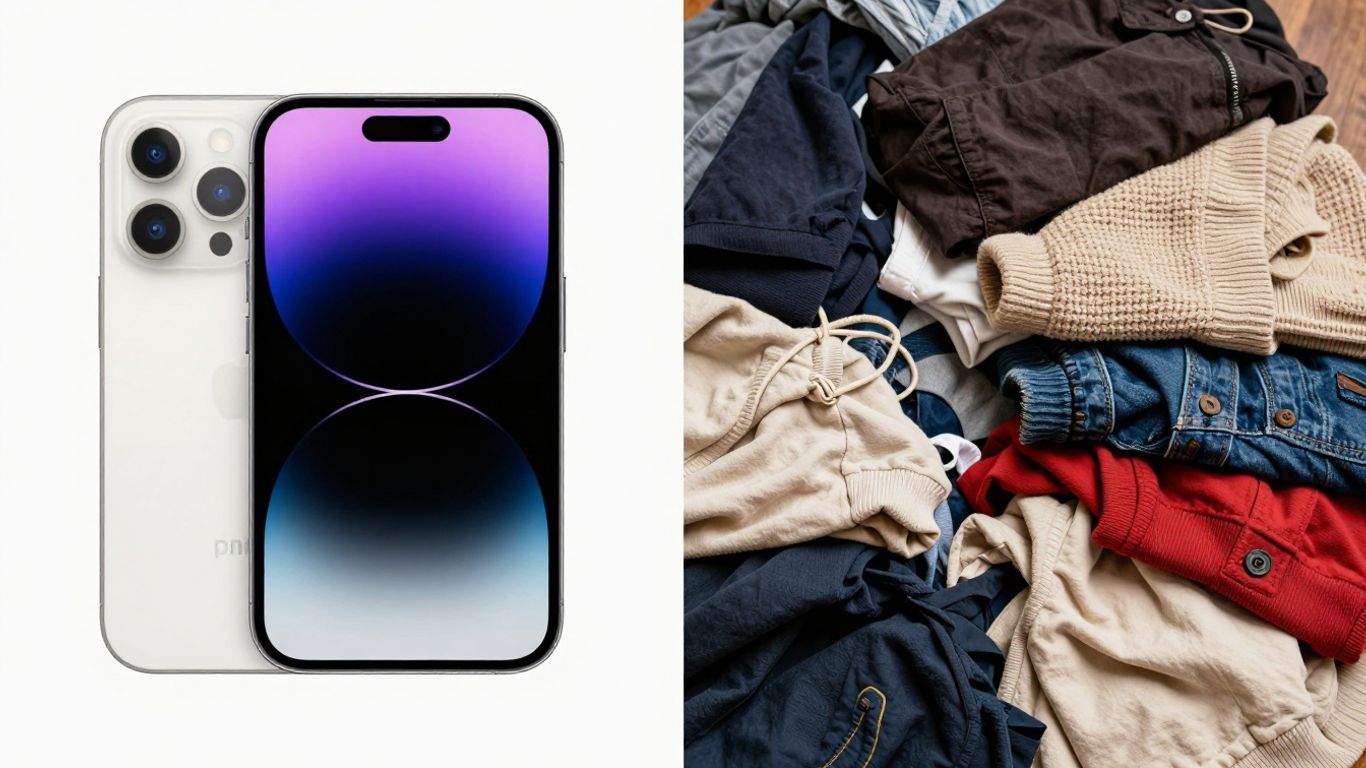
When you're looking to buy refurbished or secondhand, it's not a one-size-fits-all situation. Different platforms and types of items suit different needs. Let's break down what you can expect to find and where you might have the best luck.
Best Electronics for Refurbished Purchases
When it comes to electronics, refurbished is often the sweet spot. You can get a great deal on devices that might be a year or two old but still have plenty of life left. Think smartphones, laptops, tablets, and gaming consoles. These are items that often see rapid innovation, so buying refurbished lets you get a high-quality device without paying top dollar for the absolute latest model.
- Smartphones: You can often find flagship models from the previous year at a fraction of their original cost. Check for battery health guarantees, as this is a common concern with used phones.
- Laptops: Great for students or home users. Look for models that still have a few years of software updates guaranteed. A refurbished business laptop can be a real workhorse for less.
- Tablets: Perfect for media consumption or as a secondary device. Refurbished tablets are usually a safe bet, often with minimal wear.
- Gaming Consoles: If you're not chasing the absolute newest generation, a refurbished console can save you a bundle. Just make sure it's been properly cleaned and tested.
Back Market really shines here, as their whole business model is built around professional refurbishers selling electronics. You're more likely to find a wide selection and consistent quality control for these types of items on their platform.
Fashion and Accessories on Vinted
Vinted, on the other hand, is your go-to for fashion and accessories. While you might occasionally find an electronic gadget, it's not their focus, and the quality can be much more variable. If you're looking for clothing, shoes, bags, or jewelry, Vinted is where you'll find a massive community of sellers.
- Clothing: From everyday wear to designer pieces, Vinted has it all. Be prepared to sift through a lot of listings, but the deals can be incredible.
- Handbags and Shoes: You can find some real gems, but always check the photos and descriptions carefully for signs of wear.
- Accessories: Think scarves, hats, jewelry, and even home decor items. These are often impulse buys that can add a lot of personality to your style or space.
When buying fashion, pay close attention to the seller's photos and descriptions. Look for details about any flaws, like stains or missing buttons. Since it's peer-to-peer, the condition can vary wildly. Consumers are increasingly opting out of frequent upgrades, choosing sustainability over the latest technology. This shift reflects a growing awareness and a desire to move away from the cycle of constant new purchases. The market is seeing a significant change as people embrace more conscious consumption habits. This shift indicates a move away from the cycle of constantly seeking newer and faster technology.
When to Consider Buying New
While refurbished and secondhand are fantastic options, there are times when buying new makes more sense. For highly specialized equipment where reliability is paramount, or for items where the cost savings of refurbished don't outweigh the risk of potential issues, new might be the way to go.
- Critical Business Equipment: If your livelihood depends on a device, and downtime is costly, a brand-new item with a full manufacturer's warranty might offer better peace of mind.
- Items with Short Lifespans or Rapid Obsolescence: For certain tech gadgets that become outdated very quickly, the risk of buying refurbished might not be worth the savings if it's only going to be useful for a short period.
- Gifts for Specific Occasions: If you're buying a gift and want it to be pristine, with all original packaging and the full manufacturer's warranty, new is often the preferred choice.
Always weigh the potential savings against the risks. Sometimes, the extra cost for a new item is justified by the added security and longevity it provides, especially for items you'll rely on heavily.
Environmental Impact and Sustainability
Thinking about buying refurbished isn't just about saving cash; it's also a pretty solid way to be a bit kinder to the planet. You know how everything new has a big manufacturing footprint? Well, buying refurbished skips a lot of that. It's like giving an electronic device a second life instead of letting it become e-waste.
Reducing E-Waste Through Refurbished Choices
When you buy a new phone, laptop, or tablet, a lot of resources go into making it. Mining for raw materials, manufacturing, and shipping all add up. Then, when that device gets old or breaks, it often ends up in a landfill, contributing to the growing problem of electronic waste. Buying refurbished directly combats this. You're essentially choosing a product that already exists, which means fewer new resources are needed and less waste is generated. It's a simple choice with a big impact.
- Choose refurbished over new whenever possible. This is the most direct way you can reduce your personal e-waste contribution.
- Look for sellers who clearly state their refurbishment process. This shows they're committed to giving devices a proper second life.
- Consider repairing your current device before buying refurbished. Sometimes a simple fix can extend its life even further.
The Carbon Footprint of New vs. Refurbished
Let's talk numbers, because they're pretty eye-opening. Research suggests that buying a refurbished smartphone, for instance, can save a significant amount of carbon emissions compared to buying a brand-new one. Think about it: no new mining, no new factory production lines running at full tilt. It's a huge difference. While exact figures vary, the general consensus is that refurbished tech has a much smaller carbon footprint. It's a win-win: you get a device, and the planet gets a break.
| Item | New Device Impact (Approx.) | Refurbished Device Impact (Approx.) |
|---|---|---|
| Carbon Emissions | 77kg | Significantly Lower |
| Raw Materials | 244kg | Significantly Lower |
| Water Usage | 77,000 litres | Significantly Lower |
The manufacturing process for new electronics is resource-intensive. By opting for refurbished items, you bypass much of this initial environmental cost, making it a more sustainable choice for the planet.
Extending the Lifespan of Electronics
It's not just about avoiding waste; it's also about making things last. When you buy refurbished, you're supporting a system that values longevity. These devices have already been manufactured, and by getting them repaired and tested, they're ready for more use. This circular approach is key to a more sustainable future. Instead of a linear path from production to disposal, we're creating loops where products are used, repaired, and reused. This is a core idea behind the circular economy, and it's something you can actively participate in every time you choose refurbished. It’s a practical way to be more eco-conscious without sacrificing quality or convenience.
Tips for a Successful Refurbished Purchase
So, you're ready to snag a great deal on a refurbished gadget. Awesome! But before you hit that 'buy' button, let's talk about how to make sure you get a device you'll actually love, not one that causes headaches. It's not rocket science, but a little bit of smart shopping goes a long way.
Scrutinizing Listings and Seller Feedback
This is probably the most important step. Don't just glance at the pictures and price. Really read what the seller is saying. What exactly does "refurbished" mean to them? Does it come with a new battery, or is the battery health guaranteed to be above a certain percentage? For phones and laptops, this is a big deal.
Look for details about cosmetic condition. Are there scratches? Dents? Is there a clear grading system (like A, B, C) that explains what each level means? Always ask questions if something is unclear before you buy. It’s way better than being disappointed later. Also, check out the seller's feedback. What are other buyers saying? Are they generally happy, or are there a lot of complaints about faulty items or poor customer service?
Prioritizing Transparency and Guarantees
When you're looking at refurbished items, especially electronics, you want to know you're protected. A seller who is upfront about the condition, the refurbishment process, and what's included (like chargers or cables) is usually a good sign. Avoid anything sold "as-is" – that's usually a red flag meaning no warranty and all the risk is on you. You want to see some kind of guarantee, like a warranty or a clear return policy. This is where platforms that focus on professional refurbishers often shine, as they tend to have these policies built-in. It's worth checking out how sellers vet their products to understand their quality control.
Here’s a quick checklist for what to look for:
- Warranty: How long is it? What does it cover?
- Return Policy: What's the window? Who pays for return shipping if there's an issue?
- Condition Grading: Is it clearly explained?
- Included Accessories: Does it come with everything you need, like a charger?
Understanding Product Grading and Condition
Refurbished doesn't always mean perfect. Sellers use different grading systems to describe the cosmetic condition of a device. While a higher grade (like 'Excellent' or 'Grade A') usually means fewer visible blemishes, it's important to understand what each grade entails. A device with minor scratches on the casing might be functionally identical to one that looks brand new, but it will likely be cheaper.
Here’s a general idea of what you might see:
| Grade | Cosmetic Condition |
|---|---|
| A / Excellent | Minimal to no signs of wear; may have very light micro-scratches not visible from a distance. |
| B / Good | Visible signs of use, such as minor scratches or small dents, but no damage to functionality. |
| C / Fair | More noticeable cosmetic flaws like deeper scratches, scuffs, or small chips, but still fully functional. |
Remember, the most important thing is that the device works as intended. Don't get so caught up in a tiny scratch that you miss out on a great deal on a perfectly functional item. Just make sure you're comfortable with the level of cosmetic wear described.
Understanding Software Updates and Device Age
This is especially important for smartphones, tablets, and laptops. A device might be refurbished and working great today, but how long will it continue to get software and security updates? Manufacturers eventually stop supporting older models. Buying a device that's too old might mean you miss out on new features or, more importantly, crucial security patches, leaving you vulnerable.
Before buying, try to find out:
- What operating system version does it come with?
- How many more years of major software updates can you expect?
- How long will it receive security updates?
If a device is nearing the end of its update life, it might not be a good long-term investment, even if the price is tempting. Sometimes, a slightly newer model, even if it costs a bit more, will offer a much longer usable lifespan. It's about balancing the initial cost with how long the device will remain useful and secure. You don't want to buy something that becomes obsolete in a year or two. Always look for refurbished items that still come with some form of warranty to ensure you're protected.
Payment and Security Considerations
When you're buying refurbished electronics, especially online, thinking about how you pay and how secure the transaction is really important. You don't want to end up with a broken gadget and no way to get your money back, right? It’s a bit like buying anything valuable – you want to be smart about it.
Using Credit Cards for Purchase Protection
This is probably the most straightforward tip: use a credit card if you can. Why? Because credit cards often come with built-in buyer protection. If you buy something and it's not as described, or it never shows up, you can dispute the charge with your credit card company. This is way easier than trying to chase down a private seller or even a company that might be hard to reach. Always opt for a credit card over a debit card for online purchases. It's a simple step that can save you a lot of headaches later on.
Avoiding Third-Party Payment Pitfalls
Sometimes platforms might push you towards using their own payment system or a third-party service. While these can seem convenient, they can sometimes add an extra layer between you and your money. If something goes wrong, it might be harder to get a refund if the payment wasn't direct. Stick to the platform's main payment gateway or, even better, use your credit card directly through it. If a seller asks you to pay them directly through a service like Zelle or Venmo, especially on peer-to-peer sites, that's a big red flag. You lose a lot of protection that way.
Testing Your Purchase Immediately
Once your refurbished item arrives, don't just put it on a shelf. You need to test it out right away. Seriously, give it a good once-over as soon as possible. Check all the buttons, ports, screen, battery life – everything. Most platforms and sellers have a limited window for returns or reporting issues. If you wait a week or two, you might miss your chance to send it back if there's a problem. Keep all the original packaging until you're absolutely sure everything is working perfectly. It makes the return process much smoother if you need to go down that route. The refurbished smartphone market in the EU has seen significant growth, increasing by 33% in the last three years. This expansion outpaces the slower growth observed in the global electronics industry overall.
Here’s a quick checklist for when your item arrives:
- Power On & Boot Up: Does it turn on without issues?
- Screen Check: Look for dead pixels, scratches, or discoloration.
- Functionality Test: Test all buttons, touch screen responsiveness, cameras, speakers, and microphones.
- Connectivity: Check Wi-Fi, Bluetooth, and cellular signal (if applicable).
- Battery Health: See what the reported battery health is and how quickly it drains under normal use.
- Ports: Ensure charging ports and headphone jacks (if present) are working.
Remember, the sooner you identify any problems, the stronger your position will be if you need to request a return or a refund. Don't delay in giving your new-to-you gadget a thorough workout.
The Role of AI in Secondhand Marketplaces
Okay, so you're probably wondering how all these smart computers are helping you snag a good deal on a used phone or laptop. It's actually pretty wild. Artificial intelligence, or AI, is quietly working behind the scenes on platforms like BackMarket and Vinted to make your shopping experience smoother and, honestly, safer.
AI Tools for Price and Scam Detection
Think about scrolling through hundreds of listings. It's easy to get lost, right? AI helps sort through that mess. For instance, platforms use AI to spot listings that seem too good to be true, which could be a sign of a scam. They analyze pricing trends and compare them against similar items. If a price is way off, it might get flagged. This is super helpful because, let's be real, nobody wants to get ripped off.
- Price Monitoring: AI can track average prices for specific models and conditions. If a deal looks suspiciously low, it's a red flag.
- Listing Analysis: AI can scan descriptions and photos for inconsistencies or keywords often used in fraudulent listings.
- Seller Behavior: Some systems might even look at patterns in seller activity to identify potential risks.
AI isn't just about finding the cheapest option; it's about helping you find the best value while avoiding potential pitfalls. It acts like a digital detective, sifting through data to protect you.
Enhancing Buyer Confidence with Technology
Beyond just spotting scams, AI is making it easier to trust what you're buying. On larger marketplaces, AI can personalize your search results. It learns what you're looking for – maybe a specific brand, a certain storage size, or a particular color – and shows you more relevant items first. This saves you tons of time and frustration. It's like having a personal shopper who knows your taste.
For example, eBay uses AI to help sellers create better listings. They can upload a photo, and AI can suggest a title, description, and even a price. This means more detailed and accurate listings for you to look at. When sellers put in less effort, it often means less information for you, so this is a big win. You can check out how platforms are using AI to improve the buying process on large resale sites.
Future Trends in Refurbished Marketplaces
What's next? Well, AI is only going to get smarter. We might see AI tools that can predict the lifespan of a refurbished device based on its specs and seller history. Imagine an AI giving you a
Artificial intelligence is changing how we shop online, especially for used items. AI can help you figure out if a price is fair, spot fake listings, and even find better deals on other sites. It makes shopping on places like Vinted or eBay much safer and smarter. Want to see how it works for yourself? Visit our website to try it out!
So, Which One Should You Pick?
Alright, so you've heard the rundown on Back Market and Vinted. If you're after electronics and want that extra peace of mind with warranties and professional checks, Back Market is probably your best bet. They really focus on making sure those refurbished gadgets are solid. Vinted, on the other hand, is fantastic for clothes and smaller items where you're okay with a bit more of a gamble. Just remember, for electronics, going through a pro like Back Market means you're less likely to end up with a dud. Happy shopping, and may your refurbished finds be awesome!
Frequently Asked Questions
What's the main difference between buying refurbished on Back Market and buying used items on Vinted?
Think of Back Market as a place with professionals who fix up electronics and sell them with guarantees. Vinted is more like a giant online flea market where regular people sell their stuff, often without the same checks or warranties. So, Back Market is generally safer for electronics because pros are involved, while Vinted is great for clothes but can be a bit of a gamble for gadgets.
How do I know if a refurbished item is good quality?
Good sellers, like those on Back Market, are usually super clear about what they checked and fixed. They'll often have a grading system (like 'excellent,' 'good,' or 'fair') that tells you about the item's condition. Always check the seller's reviews and see if they offer a decent warranty. If a listing is vague, it's best to be cautious.
Can I return something if it doesn't work?
Usually, yes! Back Market offers a return period and a warranty, so you're pretty protected. Vinted's buyer protection is more about making sure the item arrives as described, but returns can be trickier since you're often dealing with individuals. Always check the specific return policy before you buy, no matter the platform.
Is buying refurbished really cheaper in the long run?
Often, it is! You can get a great deal on tech that's just a year or two old. But, don't just go for the absolute cheapest option. Sometimes, a slightly higher price gets you a better-refurbished item that will last longer, saving you money down the road. It's about finding that sweet spot between cost and how long the item will work well.
Are refurbished electronics good for the environment?
Definitely! Buying refurbished is a fantastic way to help the planet. It means fewer old devices end up in landfills, and it reduces the need to make brand-new items, which uses a lot of energy and resources. You're basically giving a perfectly good device a second life.
What should I look out for when buying a refurbished phone or laptop?
Pay close attention to how many more software and security updates the device is likely to get. An older phone might be cheap, but if it stops getting important updates soon, it might not be worth it. Also, check if the battery health is mentioned or if you can get a new battery installed – that's super important for phones and laptops!
How can I make sure I'm not getting scammed?
Stick to reputable platforms like Back Market that work with professional sellers. On any platform, always check the seller's reviews and feedback. If a deal seems too good to be true, it probably is. Using a credit card can also offer extra protection if something goes wrong with your purchase.
Can I use AI to help me shop smarter for used tech?
Yes, tools are popping up that can help! Some AI can check if the price is fair, flag potential scams, and even help you find better deals on these secondhand sites. It's like having a little assistant to make sure you're getting a good buy and not falling for a bad deal.