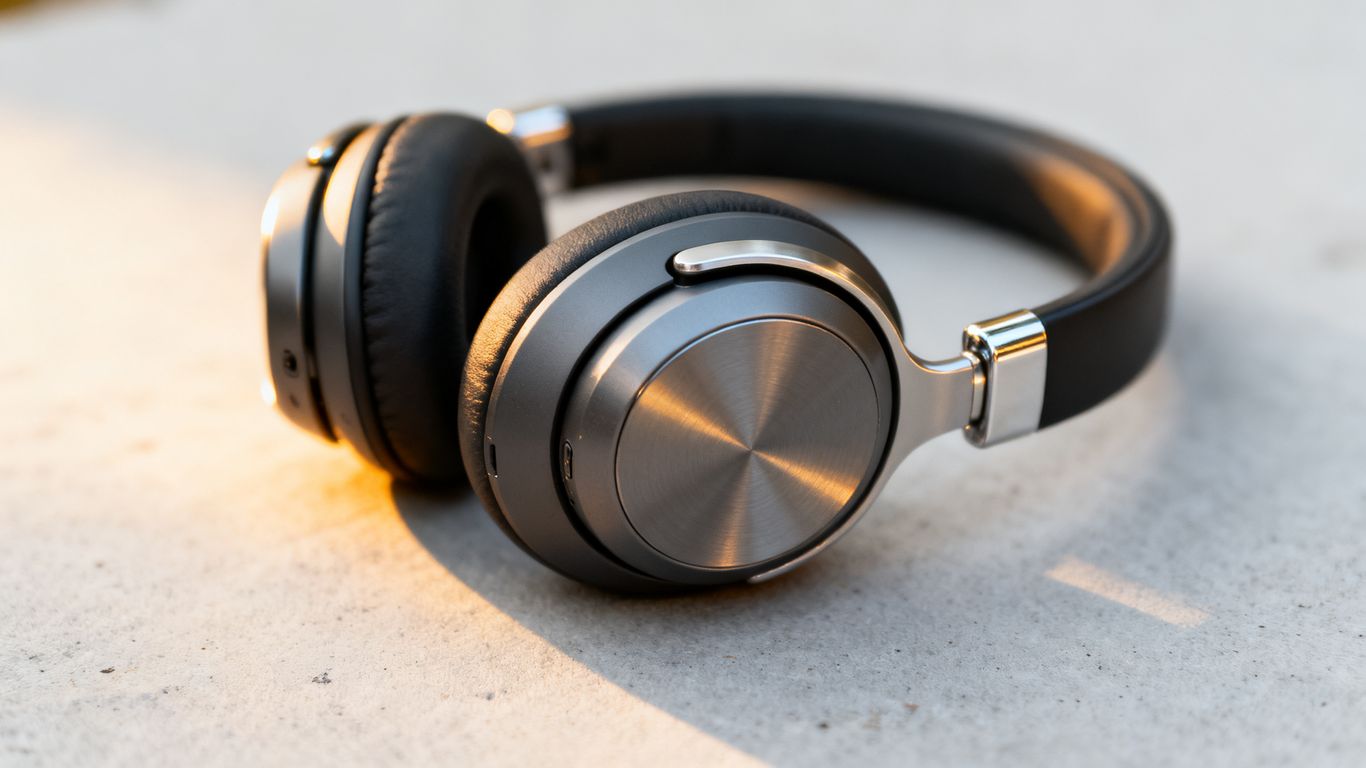
Thinking about snagging a pair of secondhand headphones? It can be a smart move to save some cash, but you've gotta know what you're getting into. Are secondhand headphones worth it? We'll break down what to look for, where to find them, and how to avoid getting a dud. You might just score some amazing audio gear without breaking the bank, but a little homework goes a long way.
Key Takeaways
- Buying used headphones makes financial sense when you can get a significantly better model for less money than a new, lower-tier option. It's often a good strategy for higher-end gear where the depreciation is steep.
- Always check the physical condition of used headphones. Pay close attention to the ear pads and headband for wear, and inspect cables and the overall build for any damage. A good seal from the ear pads is important for sound quality.
- Hygiene is a big deal with pre-owned audio gear. Be prepared to clean and sanitize thoroughly, and plan on replacing ear pads, especially if they show signs of heavy use or are difficult to clean.
- When buying secondhand headphones, especially online, check seller reviews and look for clear return policies or warranties. Buying locally allows for in-person inspection and testing, which can reduce risk.
- Consider brands that offer user-replaceable parts like ear pads and cables. This makes secondhand headphones more viable long-term, as you can easily refresh them and extend their lifespan.
Assessing the Value of Secondhand Headphones
When Buying Used Makes Financial Sense
So, you're thinking about snagging a pair of used headphones. Smart move, potentially. It's not always about just saving a few bucks; sometimes, it's the only way to get your hands on a higher-end model you'd otherwise never afford. If you're eyeing a pair that originally cost $500 but you can find them for $250 used, that's a solid win. You get premium sound without the premium price tag. This is especially true for headphones known for their durability and replaceable parts. Think about it: if the ear pads and headband padding can be swapped out, a little wear and tear isn't a deal-breaker. It's like buying a used car – you check the engine, the tires, and if it all checks out, you've got a great ride for less. The key is to focus on the build quality and the potential for longevity.
Here's a quick rundown of when used headphones usually make financial sense:
- High-End Models: When the discount is significant compared to the original price.
- Durable Brands: Brands known for robust construction and readily available parts.
- Models with Replaceable Parts: Especially ear pads and cables, which are common wear items.
- When You Can Test Them: Local buys where you can verify functionality before handing over cash.
When to Opt for New Headphones
While the allure of a bargain is strong, there are definitely times when buying new is the way to go. If a pair of headphones is on the cheaper side, say under $100, the savings from buying used might not be worth the potential headaches. You might end up spending more on repairs or replacements than you would have on a new pair with a warranty. Also, consider headphones that are known to have specific issues or are difficult to repair. Some models just aren't built to last, or the manufacturer might not offer parts anymore. If you're looking at something that's a bit of a gamble, sticking with new gives you that peace of mind. Plus, if you're someone who really wants that pristine, untouched experience, new is the only option. It's about weighing the savings against the risks and the value of a fresh start. For some audio gear, buying used might not be the best option if you're looking for a reliable setup. buying used audio equipment
Understanding Resale Value
Think of resale value like the sticker price on a used car. Some headphones hold their value incredibly well, while others depreciate faster than you can say "sound quality." Generally, premium models from reputable brands tend to have better resale value. If you buy a sought-after pair for a good price used, there's a decent chance you could sell them later for a similar amount, or even a profit, if they're in good condition. This is especially true for limited editions or models that have been discontinued but are still highly regarded. On the flip side, very cheap headphones or models from less-known brands often have poor resale value. You might buy them cheap, but you'll likely get next to nothing when you try to offload them. It's worth doing a quick search on marketplaces like eBay to see what similar used models are actually selling for before you commit to a purchase. This gives you a realistic idea of what you're getting into, both now and down the line.
Inspecting Used Headphones for Wear and Tear
Okay, so you've found a pair of used headphones that look promising. Before you hit that 'buy' button, you gotta give them a good once-over. Think of it like checking out a used car – you wouldn't buy it without looking under the hood, right? Headphones are no different.
Checking Ear Pads and Headband Condition
This is where the rubber meets the road, or rather, where the foam meets your ears. Worn-out ear pads are a big red flag. They might look gross, sure, but more importantly, they affect comfort and sound. If the pads are cracked, flattened, or peeling, they won't create a good seal around your ears. This can lead to weaker bass and a generally less immersive listening experience. Look for pads that are still plush and intact. If they're looking rough, factor in the cost and hassle of replacing them. The same goes for the headband. Is the padding cracked or flaking? Is the material stretched out? A damaged headband can be uncomfortable and might even indicate the headphones have been roughly handled.
Examining Cables and Physical Integrity
Don't forget the wires! Give the cable a good wiggle test, especially where it connects to the earcup and the plug. Are there any kinks, fraying, or exposed wires? A damaged cable is a common issue and can lead to intermittent sound or complete failure. You can often find replacement cables for many models, but it's another cost to consider. Also, check the overall build. Are there any cracks in the plastic housing? Do the adjustment sliders move smoothly, or are they stuck? A solid physical build suggests the headphones have been cared for.
The Importance of a Good Seal
This ties back to the ear pads, but it's worth its own point. A good seal is key for proper sound reproduction, especially for bass frequencies. When you put the headphones on, they should create a snug fit around your ears without being painful. If you can easily hear ambient noise or if the headphones feel loose, the seal is probably compromised. This could be due to worn-out ear pads or a design flaw, but either way, it's going to impact your listening. You can sometimes test this by gently pressing the earcups against your head to see if the sound changes – if the bass suddenly kicks in, it confirms the seal was the issue. If the ear pads are beyond saving, you'll want to check if replacement ear pads are readily available for the model you're considering.
Hygiene Considerations for Pre-Owned Audio Gear
Okay, let's talk about the elephant in the room: hygiene. You're buying headphones that someone else has worn. They've been in contact with their head, their hair, maybe even their sweat. It's a bit of a thought, I get it. But honestly, it's not as big a deal as it might seem, especially if you're prepared.
Addressing Concerns About Ear Contact
Think about it – have you ever tried on headphones at a store or a museum? Chances are, hundreds of people have used them before you. While that might not make you feel better, it does put things in perspective. The key is knowing that you can clean them up.
Cleaning and Sanitizing Tips
Most of the time, a good clean is all you need. Here’s a simple way to get them fresh:
- Remove the ear pads: This is usually the dirtiest part. Most pads can be gently pried off or unclipped. Check your specific model if you're unsure.
- Clean the ear pads: Depending on the material, you can often wash fabric pads with mild soap and water. For leather or pleather, use a damp cloth and a gentle cleaner. Let them air dry completely.
- Wipe down the rest: Use a slightly damp cloth to wipe down the headband, the plastic housing, and any metal parts. A cotton swab can help get into tight spots.
- Sanitize: A disinfectant wipe (alcohol-based works well) can be used on the non-fabric parts. Just make sure not to soak anything.
Remember, the goal is to remove visible dirt and grime, and then to kill any lingering germs. A little effort goes a long way.
When New Ear Pads Are Essential
Sometimes, cleaning just won't cut it. If the ear pads are really worn out, cracked, or just smell funky no matter what you do, it's time for replacements. This is especially true if the original pads are causing a poor seal, which can affect sound quality. Luckily, many popular headphone models have readily available replacement ear pads you can buy online. Swapping them out is usually pretty straightforward and makes a huge difference in both comfort and hygiene. If the cost of the used headphones plus new ear pads gets close to the price of a new pair with a warranty, you might want to reconsider and just buy new.
Navigating the Used Headphones Marketplace
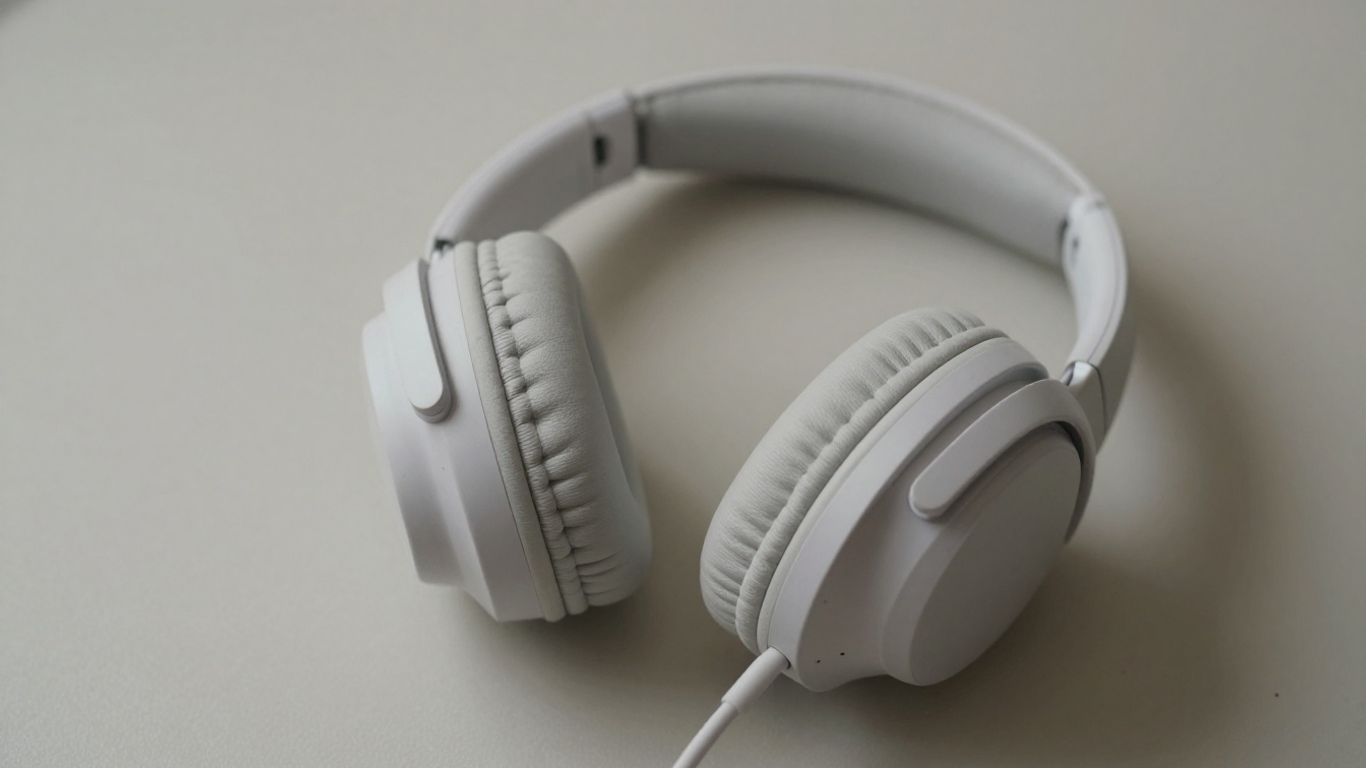
So, you've decided to take the plunge into the world of used headphones. Awesome! But where do you even start looking, and how do you make sure you're not getting ripped off? It can feel a bit like a treasure hunt, but with a few smart moves, you can find some great deals.
Evaluating Seller Reputation and Reviews
This is probably the most important step. Think of it like checking Yelp before you go to a new restaurant. You want to see what other people are saying about the seller. On most platforms, you can see a seller's rating and read comments from past buyers. Look for sellers who have a high rating (like 95% or above) and a good number of positive reviews. If you see a lot of complaints about items not being as described, slow shipping, or poor communication, it's probably best to steer clear. A seller with a solid history is your best bet for a smooth transaction.
Understanding Return Policies and Warranties
This is where things can get a little tricky, especially when buying online. Some sellers offer returns, while others sell "as is." If a seller has a return policy, it's a good sign. It means they're confident in what they're selling and are willing to stand behind it. If something goes wrong, you have a way to get your money back. Warranties are even better, though less common with private sellers. If you're looking at refurbished options, definitely check out what kind of warranty is included. For example, some places offer a 1-year warranty on certified refurbished products, which is a nice safety net. If the cost of the used headphones plus new earpads is close to the price of new ones with a warranty, you might just want to go for the new pair. It's worth considering if the peace of mind is worth the extra cash.
Risks of Buying Online vs. Locally
Buying online is super convenient, but it comes with its own set of risks. You can't physically inspect the headphones before you buy. You're relying on photos and descriptions. This is why checking seller reviews and return policies is so important. On the flip side, buying locally, maybe through a site like Facebook Marketplace or at a local audio shop, lets you see and even test the headphones before you hand over any cash. This is a huge advantage. You can check for physical damage, see how they fit, and listen to them to make sure they sound right. However, local options might have a smaller selection, and you might not have the same buyer protection as you would on a larger online platform. It's a trade-off between convenience and hands-on inspection.
The Role of Replacement Parts and Modifiability
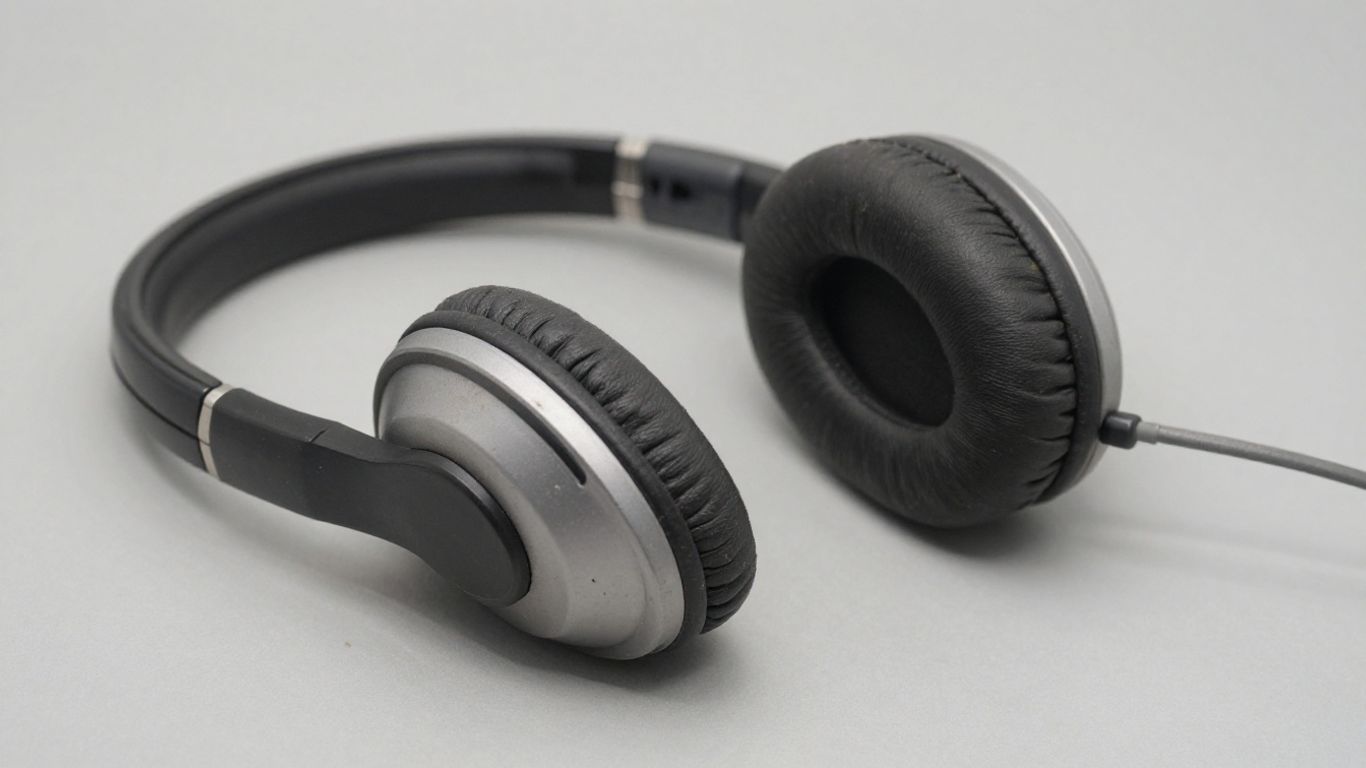
Brands Offering User-Replaceable Components
Some headphone makers build their gear with the idea that you might want to swap out parts down the line. This is a big plus when you're looking at used gear. If a brand makes it easy to replace things like ear pads or even the headband, a used pair that looks a little worn might still be a great buy. You just order the new parts and make them like new again. Brands like Beyerdynamic, Grado, and Sennheiser often have models where you can easily pop off old ear pads and put on fresh ones. It's always a good idea to check the manufacturer's website or do a quick search for the specific model you're eyeing to see if parts are readily available. This can significantly extend the life of your headphones.
Extending Lifespan with New Parts
Think about it: the most common wear-and-tear items on headphones are the ear pads and sometimes the headband padding. These get the most direct contact and use. If you find a pair of used headphones that sound amazing but have crusty or flattened ear pads, don't dismiss them immediately. Often, you can find replacement pads online for a reasonable price. For example, velour pads can make a world of difference in comfort and sound isolation compared to worn-out leatherette. Sometimes, even the cable can be replaced if it's frayed or damaged, especially on models with detachable cables. This ability to refresh key components is a game-changer for buying used.
Considering Headband Modifications
Beyond just replacing worn parts, some headphones are also known for being modifiable. This means people sometimes tweak them to change the sound or improve comfort. While this might sound a bit advanced, it's worth knowing about. For instance, some users might add extra padding to a headband that feels too tight, or even experiment with different types of earpads to alter the sound profile. If you're buying a used pair that's known to be mod-friendly, it opens up possibilities for customization. You might even find a pair that someone else has already modified to their liking, which could be a great deal if their taste aligns with yours. It's a bit of a gamble, but for the adventurous buyer, it can lead to unique audio experiences. You can sometimes find guides on how to make these kinds of changes, similar to how people modify other gear like effects pedals for guitar.
Here's a quick look at what to check for:
- Ear Pads: Are they torn, flattened, or smelly? Replacement is usually straightforward.
- Headband: Is the padding worn out or is the plastic cracked? Some are replaceable, others less so.
- Cable: Is it frayed, kinked, or does the connection seem loose? Detachable cables are a huge plus.
When considering a used pair, always factor in the potential cost and availability of replacement parts. A slightly beat-up pair with readily available parts can be a much better long-term investment than a pristine pair from a brand that offers no support.
Testing and Verification Before Purchase
So, you've found a pair of used headphones that look promising. Awesome! But before you hit that 'buy' button or hand over your cash, you gotta make sure they actually work and sound good. This is where testing and verification come in. It's your last line of defense against buying a dud.
The Advantage of In-Person Testing
If you can test them out before buying, do it. Seriously, this is the best way to know what you're getting. It's not just about hearing sound; it's about feeling how they sit on your head and checking for any obvious physical issues. The most effective method to evaluate headphones is through personal, hands-on testing.
Here's a quick checklist for when you can test in person:
- Listen to different types of music: Try genres you know well, from bass-heavy tracks to vocals and acoustic pieces. This helps you catch any weird sound imbalances.
- Check for distortion or crackling: Crank the volume up a bit (but not too high!) and listen for any fuzzy sounds, especially in the bass or treble.
- Test both earcups: Make sure the sound is coming out equally from both sides. Sometimes one side can be weaker or completely dead.
- Inspect for physical damage: Look for cracks in the plastic, worn-out ear pads, or loose connections. Give the headband a gentle flex to see if it feels sturdy.
- Check the seal: For over-ear headphones, press them gently against your head. Does it feel like a good seal? A poor seal can mess with the bass response and noise isolation. Checking if ear pads are removable is also a good idea here, as it often indicates better build quality and easier cleaning.
Assessing Sound Quality Remotely
Okay, so testing in person isn't always an option, especially when buying online. What then? You've got to rely on the seller's description and photos. Look for details about the condition, any known issues, and how the sound quality is described. If the seller is hesitant to provide more photos or details, that's a red flag.
- Ask specific questions: Don't just ask "Do they work?" Ask about the sound signature, if there's any channel imbalance, or if the bass is still punchy.
- Review seller feedback: Look at what other buyers have said about the sound quality and condition of items they've purchased from this seller.
- Watch video reviews: If it's a popular model, search for video reviews of that specific model to get an idea of how it should sound.
Identifying Potential Defects
Even if a seller says headphones are in "perfect working condition," it's wise to be a little skeptical. Sometimes defects aren't obvious or the seller might not even know they're there. Things like intermittent static, a weak left channel, or a muffled sound can be hard to spot if you're not actively listening for them.
Be aware that even with a seller's description, you might encounter issues. Sometimes, a seller might not be aware of a subtle defect, or they might describe something as "tested and working" when their definition of working is different from yours. It pays to be thorough in your questions and observations.
If you're buying online, try to stick to platforms that offer buyer protection. This way, if you receive headphones with defects that weren't disclosed, you have a way to get your money back or return them. Buying used headphones online requires extra caution, so always check the return policy and seller reviews carefully.
Where to Find Quality Used Headphones
So, you've decided to take the plunge into the world of secondhand headphones. Smart move! But where do you actually find these pre-loved audio gems? It's not like you can just wander into any old store and expect to see a rack of used cans. You've got a few main avenues to explore, each with its own pros and cons.
Reputable Online Marketplaces
This is probably where most people start looking. Websites like eBay are a huge source for used gear. You can find almost anything there, but you really need to be careful. Always check the seller's ratings and read their reviews. Look for sellers who have a long history and lots of positive feedback. It's also a good idea to see if they offer returns, just in case things aren't as described. Some platforms, like Amazon Renewed or eBay Refurbished, offer certified pre-owned items that often come with a warranty, which can give you extra peace of mind. You might find some great deals on certified professional headphones for sale this way.
Specialized Audio Forums
If you're serious about audio, you'll want to check out dedicated forums. Places like Head-Fi have a massive community of audiophiles who buy and sell gear regularly. People on these forums tend to take really good care of their equipment because it's a hobby for them. You'll often find detailed descriptions and photos, and you can usually message the seller directly to ask questions. It's a bit more niche, but the quality can be top-notch. Just remember to still do your homework on the seller's reputation within the forum.
Local Secondhand Shops
Don't forget about your local scene! Sometimes, you can stumble upon hidden treasures in thrift stores or dedicated used electronics shops. The biggest advantage here is that you can often inspect the headphones in person and, if you're lucky, even test them out before you buy. This is a huge plus for checking things like ear pad condition and making sure there are no weird noises. It's a bit of a treasure hunt, but finding a great pair locally can be really satisfying.
Refurbished vs. Used: Understanding the Difference
What 'Refurbished' Typically Means
So, you're looking at headphones and see 'refurbished' and 'used' thrown around. What's the real deal? When something is labeled 'refurbished,' it means it's been sent back for some reason – maybe a customer didn't like it, or it had a minor issue. These units are then professionally checked, cleaned, and repaired to make sure they work just like new. Think of it like a car that's been through a certified pre-owned program. They're not just reselling it as-is; they're putting it through a process to ensure quality. This often includes replacing worn parts, like ear pads, and making sure everything is in tip-top shape. It's a step above just buying something 'used' off someone's shelf.
Benefits of Certified Refurbished Products
Buying refurbished can be a smart move. For starters, you usually get a much better price than buying brand new. Plus, many sellers offer a warranty on refurbished items, which you definitely won't get with a standard used purchase. This gives you some peace of mind, knowing that if something goes wrong, you're covered. It's a good way to get higher-end gear without the full hit to your wallet. You're also doing a bit for the planet by giving a product a second life.
Here’s a quick rundown of why refurbished might be the way to go:
- Cost Savings: Significantly cheaper than new.
- Quality Assurance: Professionally inspected and repaired.
- Warranty: Often comes with a limited warranty for protection.
- Environmental Impact: Reduces electronic waste.
Comparing Refurbished to Standard Used
When you buy 'used' headphones, you're generally getting them in whatever condition they're in. The seller might say they work fine, but there's no guarantee. You might need to immediately replace ear pads, deal with a finicky cable, or discover a sound issue later on. It's a bit of a gamble. Refurbished, on the other hand, has that layer of professional attention. It's like the difference between buying a used bike that's been sitting in a garage versus one that's been serviced at a bike shop. You know the refurbished ones have been looked over and fixed up. For example, if you're eyeing a pair of Bose QuietComfort headphones, a refurbished set will likely have had its earcups checked or replaced, ensuring a better seal and comfort than a random used pair might offer. Standard used means you take it as it is, warts and all. Refurbished means it's been brought back to a good working standard, often with some sort of guarantee. It's a trade-off between the lowest possible price (used) and a balance of price and reliability (refurbished).
High-End vs. Budget: Secondhand Strategies
Finding Deals on Premium Models
So, you've got your eye on some seriously fancy headphones, the kind that cost more than a used car. Buying them new might feel like a stretch, but going secondhand? That's where things get interesting. You can often snag a pair of high-end cans for a fraction of their original price. Think about it: someone else took the initial depreciation hit. It's like buying a slightly used luxury car – still amazing, but way more accessible. Look for models that have been out for a year or two; they've usually settled into their used market value. Keep an eye on specialized audio forums and marketplaces where enthusiasts trade gear. You might find a gem that was barely used by its previous owner. Remember, with premium gear, the build quality is often top-notch, meaning a used pair can still have tons of life left. It's a smart way to get into the audiophile world without emptying your wallet. You can often find great deals on premium models if you're patient and know where to look. Buying used makes sense if you're not sure you'll stick with a hobby, but for high-end gear, it's often about getting more for your money.
Why Used Budget Headphones May Not Be Worth It
Now, let's talk about the other end of the spectrum: budget headphones. While it might seem like a no-brainer to save even more money by buying cheap headphones used, you need to be careful. Often, the savings are minimal compared to buying new. Plus, budget headphones are typically built with less durable materials. That means the wear and tear from a previous owner could significantly impact their lifespan and sound quality. You might end up with a pair that sounds worse than a brand-new, inexpensive set, or one that breaks soon after you buy it. It's a gamble that often doesn't pay off. Unless you find an almost-new pair for pennies on the dollar, you're usually better off putting that money towards a new, entry-level model that you know hasn't been abused.
Investment Potential of Used High-End Gear
This is where things get really exciting for the savvy buyer. Certain high-end headphones, especially those from reputable brands or limited runs, can actually hold their value quite well, and in some rare cases, even appreciate. Think of them less as a depreciating asset and more as a collectible. If you buy a sought-after model at a good price, and it's in excellent condition, you might be able to sell it later for what you paid, or even a bit more. This is particularly true for discontinued models that are no longer in production but remain highly desired by enthusiasts. It's a bit like collecting art or vintage watches. Doing your research on specific models and their resale trends is key here. Some premium headphones are built to last and are known for their sonic performance, making them desirable for years to come. The commercial benefits of audiophile headphones are significant, and this extends to the used market too.
Here's a quick look at what to consider:
- Condition is King: A pristine pair will always fetch more than a beat-up one.
- Brand Reputation: Some brands are known for durability and consistent sound quality, making their used gear more desirable.
- Discontinued Models: If a popular model is no longer made, its value can increase.
- Original Packaging: Having the box and all accessories can add to the resale value.
When considering high-end used headphones, think about the long game. You're not just buying sound; you're potentially buying into a market where quality and rarity can mean your investment holds steady, or even grows.
Mitigating Risks When Buying Used
Buying secondhand headphones can be a smart move, but let's be real, there's always a bit of a gamble involved. You don't want to end up with a dud, right? Luckily, there are some straightforward ways to lower those odds and make sure you're getting a good deal.
The Importance of Seller Due Diligence
Before you even think about clicking 'buy' or handing over cash, do your homework on the seller. This is probably the most important step you can take. Look for sellers with a solid history and positive feedback. Most platforms make this easy to see. If a seller has a ton of recent negative reviews or very few reviews overall, that's a red flag. Don't be afraid to ask questions, either. A seller who is responsive and willing to provide more details or photos is usually a good sign.
- Check seller ratings and past reviews.
- Read comments from previous buyers.
- Ask for extra photos or even a short video.
If a seller seems pushy, avoids questions, or insists on payment methods that don't offer buyer protection, it's often best to just walk away. There will be other headphones.
Leveraging Buyer Protection Programs
When you're buying online, especially from individuals or less established sellers, always try to use payment methods that offer buyer protection. Services like PayPal Goods and Services are great for this. They can help you get your money back if the item doesn't arrive, isn't as described, or is faulty. Some marketplaces also have their own protection programs. Always check the terms and conditions so you know what's covered. For instance, some platforms might require you to have tried to resolve the issue with the seller first. Understanding these buyer protection programs can save you a lot of headaches.
When to Walk Away from a Deal
Sometimes, a deal just feels off. Maybe the price is too good to be true, the seller is being cagey, or the photos look suspicious. Trust your gut. If something doesn't add up, it's better to miss out on a potential bargain than to lose your money or end up with broken gear. Remember, the goal is to save money, not to get ripped off. There are plenty of other used headphones out there, and sometimes, paying a little more for peace of mind from a reputable seller or a certified refurbished unit is the smarter choice.
Buying used items can be a great way to save money, but it also comes with some risks. You might worry about paying too much, if the item is a scam, or if there's a better deal out there. Our tool helps you check these things quickly. Don't guess if you're getting a good deal. Visit our website to learn how we can help you buy used with confidence!
So, Are Used Headphones a Good Idea?
Alright, so you've read all about the ins and outs of buying used headphones. It's definitely not a simple yes or no answer, right? You can snag some seriously good deals if you do your homework. Think about checking out brands that make it easy to swap out parts like ear pads, because let's be real, those can get gross. If you're buying online, really dig into those seller reviews and photos. If you can check them out in person, even better – give 'em a listen if you can. Just remember, if the price seems too good to be true, it probably is. But with a bit of caution and smart shopping, you might just find your next favorite pair without breaking the bank.
Frequently Asked Questions
Are used headphones really a good deal?
Totally! Buying used can be a smart move, especially if you're eyeing a pricier pair. You can often snag high-end headphones for way less than they cost new. Just think of it like getting a great deal on a slightly older, but still awesome, piece of tech. It's a fantastic way to save cash or even step up to a better model than you could afford otherwise.
How can I tell if used headphones are in good shape?
Look closely! Check if the ear pads and headband look worn out or squished. Give the cables a good once-over for any fraying or damage. Also, make sure the earcups create a good seal around your ears; a poor seal can mess with the sound, especially the bass. If you can't test them in person, ask the seller for detailed pictures and a description of any wear and tear.
Is it gross to buy used headphones?
It's understandable to wonder about that! Since headphones touch your ears and head, hygiene is a valid concern. But don't worry, you can totally clean and sanitize them. Often, replacing the ear pads is super easy and makes them feel brand new and hygienic. So, while it's something to think about, it's usually not a deal-breaker.
Where should I look for used headphones?
You've got a few good spots! Online marketplaces like eBay and specialized audio forums (like Head-Fi) are popular. You might also find hidden gems at local secondhand shops or even on social media marketplaces. Just remember to check seller reviews wherever you shop!
What's the difference between 'used' and 'refurbished' headphones?
Think of 'refurbished' as used, but with a little extra polish. Refurbished headphones have usually been checked, repaired if needed, and cleaned by the manufacturer or a certified seller. They often come with a warranty, which gives you extra peace of mind compared to standard used ones.
Can I fix or upgrade used headphones if something is wrong?
Definitely! Many popular headphone brands make it easy to swap out parts like ear pads, headbands, and even cables. This is awesome because if a part is worn out or breaks, you can often buy a replacement and keep your headphones going strong for a long time. It also means you can sometimes customize them to your liking!
Is it better to buy expensive headphones used or cheap ones new?
Generally, it makes more sense to buy higher-end headphones used. You can save a lot of money and still get amazing sound quality. Cheap headphones, on the other hand, might not offer much savings when bought used, and they might not last as long. So, focus your used-buying efforts on the more premium models.
What are the biggest risks when buying used headphones?
The main risks are buying headphones that are broken or have hidden damage that you can't see. Hygiene is also a concern if they aren't cleaned properly. To avoid these, always check the seller's reputation, read reviews, look for return policies, and if possible, test them before you buy. If something feels off, it's often best to just walk away.