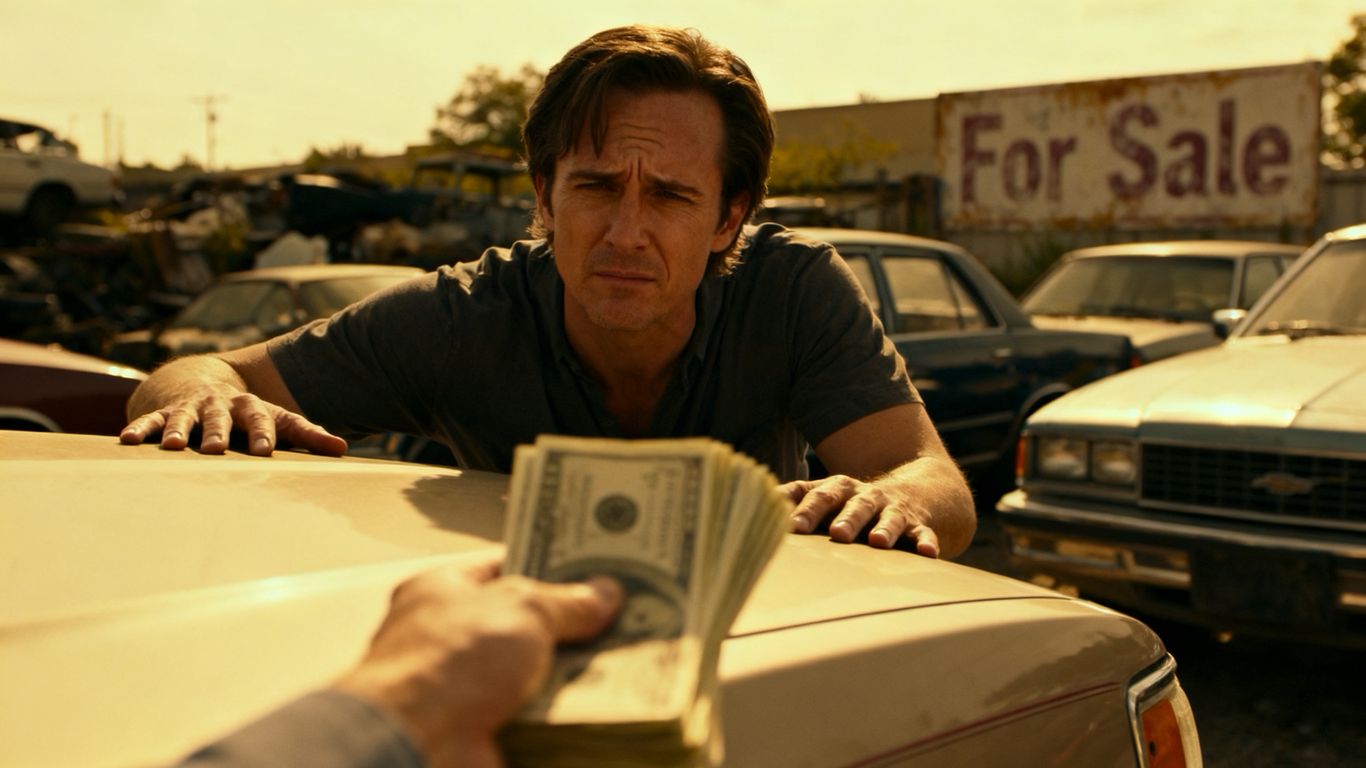
Thinking about buying a used car? It's a big decision, and honestly, figuring out if you're getting a fair price can feel like a puzzle. Prices seem to change all the time, and there are so many things to consider. We're here to help you make sense of it all, so you can drive away feeling good about your purchase. Let's break down how to do a proper secondhand price check.
Key Takeaways
- Before you even look at a car, get a feel for its market value. Online tools and guides can give you a starting point, but remember they don't tell the whole story about a specific car's condition.
- Always look past the advertised price. Dealers might add extra fees or markups. Focus on the 'out-the-door' price and understand what's included.
- Compare prices across different platforms and use valuation guides, but be aware of their limits. They're a tool, not the final answer.
- Negotiation is part of the process. Do your homework, be polite, and know what points are fair to discuss based on your research.
- Know your budget inside and out. Figure out what you can truly afford monthly, including down payments and trade-ins, before you start shopping.
Mastering the Secondhand Price Check
So, you're eyeing a used car. Awesome! But how do you know if the price tag is actually fair? It can feel like a guessing game sometimes, right? Let's break down how to get a handle on the real value before you hand over your cash.
Understanding Market Value Fluctuations
Car prices aren't set in stone. They move around a lot, sometimes more than you'd expect. Think about it: a few years ago, used cars were going for crazy amounts, then prices dropped. Now? It's a bit of a mixed bag. This means what a car was worth last month might not be what it's worth today. Keeping an eye on these shifts is key to not overpaying. You need to know if the market is hot or cooling off for the specific car you want.
Leveraging Online Valuation Tools
This is where you can really get smart. Websites like Kelley Blue Book (KBB) and J.D. Power are good starting points. They look at the car's make, model, and mileage to give you an idea of its worth. But remember, these are just guides. They don't know if the car has brand-new tires or if it's been in a fender bender. Use them to get a baseline, but don't stop there. You can even use tools like Google Lens to identify items and get a quick price idea, which can be handy for smaller purchases. Check prices on platforms like Reperch to see what similar items are actually selling for.
The Role of AI in Price Verification
Things are getting more high-tech. Some newer tools use artificial intelligence to look at tons of real-time sales data. This gives you a much clearer picture of what cars are actually selling for right now, not just what they're listed at. Sites like CarEdge, for example, can give you real offers from online buyers, showing you what dealers would pay. This is super helpful. You can then compare that to the dealer's asking price. A good rule of thumb is to aim for a price that's no more than 10% over what online buyers would pay. If it's higher, you've got room to negotiate.
Don't just look at the advertised price. Always dig deeper to understand the true cost. Hidden fees and add-ons can add thousands to the final price, making that 'great deal' much less appealing.
Evaluating Vehicle Condition for Fair Pricing
So, you've got a price in mind, maybe from an online tool. That's a good start, but it's just the beginning. The sticker price is one thing, but the actual condition of the car can change its value quite a bit. You need to look past the shiny paint and see what you're really getting.
Beyond the Sticker Price: Assessing True Value
Think of the sticker price as a suggestion. A car that looks great but has underlying issues isn't worth as much as one that's been well-maintained. You're not just buying a car; you're buying its history and its current state. A thorough inspection is your best defense against overpaying.
Here’s what to check:
- Exterior: Look for dents, rust, mismatched paint (which could mean accident repairs), and uneven panel gaps. Check the tires for wear – uneven wear can signal alignment problems.
- Interior: Sniff for odors (smoke, mold, mildew). Check the upholstery for rips, stains, or excessive wear. Test all electronics: windows, locks, radio, AC, heater, lights, and wipers.
- Under the Hood: Look for leaks, corrosion on battery terminals, and the condition of belts and hoses. Check fluid levels (oil, coolant, brake fluid) – are they clean and at the right level?
- Test Drive: Listen for strange noises from the engine, transmission, or suspension. Does it pull to one side? Do the brakes feel firm? Does the transmission shift smoothly?
Remember, even a car with a low mileage can have problems if it wasn't driven regularly or was stored improperly. Conversely, a higher mileage car that's been meticulously cared for might be a better buy.
Accounting for Wear and Tear
Every car experiences wear and tear. The key is understanding how much is normal and how much is excessive. A few scratches are expected on a used car, but significant body damage or a worn-out interior tells a different story. This wear directly impacts the car's value. If the tires are bald, you'll need to factor in the cost of new ones. If the brakes are worn, that's another expense. These aren't just cosmetic issues; they're potential costs you'll incur soon after buying.
The Impact of Maintenance Records
This is a big one. A car with a complete and consistent maintenance history is worth more. It shows the previous owner took care of the vehicle. Look for records of regular oil changes, tune-ups, and any major repairs. A history of consistent upkeep can give you peace of mind and justify a higher price. On the flip side, a lack of records, or records showing missed maintenance, should make you question the price and the car's overall condition. If you're looking at a car without records, you might want to get a pre-purchase inspection from an independent mechanic. That inspection report can be a powerful tool when negotiating the price, especially if it uncovers issues that need fixing.
Navigating Dealer Pricing Strategies
Okay, so you've done your homework on market value and you're feeling pretty good about the price you're seeing. But then you get to the dealership, and suddenly that number on the sticker seems to be just the beginning. Dealers have their own playbook, and understanding it can save you a lot of money and headaches.
Decoding Hidden Fees and Add-Ons
This is where things can get tricky. That advertised price? It's often just a starting point. Dealerships frequently add on extras that weren't part of your initial research. Think things like fabric protection, paint sealants, or even "anti-theft" systems. These might sound useful, but they often come with a massive markup – sometimes costing the dealer a fraction of what they charge you. It's not uncommon for these add-ons to tack on an extra $2,000 to $3,500 to the final price. Always ask for a breakdown of everything being added to the bill.
The 10% Rule for Dealer Markups
So, how do you know if the dealer's price is reasonable? A good rule of thumb is the "10% rule." This suggests that the price you pay shouldn't be more than 10% over what online car buyers would pay for the same vehicle. You can get a sense of this by checking sites that give you real offers from online buyers. If the dealer's price is way above that 10% threshold, it's a strong signal that you've got room to negotiate. It's a simple way to gauge if you're getting a fair shake.
Understanding Out-the-Door Pricing
Forget the sticker price or even the advertised price. What really matters is the "out-the-door" (OTD) price. This is the total amount you'll pay, including all taxes, fees, and any add-ons. Some dealerships might advertise a low price to get you in, but then pile on fees that significantly inflate the final cost. Always ask for the OTD price early in the conversation. This way, you're comparing apples to apples and avoiding surprises at the finance office. Remember, transparency is key, and knowing the full cost upfront is your best defense against unexpected charges. You can find more tips on negotiating the price of a used car to help you get the best deal.
Utilizing Comparison Tools for Secondhand Price Check
So, you've found a used car that looks promising. Great! But how do you know if the price tag is actually fair? This is where comparison tools become your best friend. Think of them as your personal detective agency for car prices.
Cross-Platform Listing Analysis
Don't just look at one listing. Check out several different websites. Sites like Carfax, AutoTrader, and Cars.com are good places to start. They often show you if a car's price is higher, lower, or right around what similar cars are selling for. It's like getting a quick temperature check on the market.
- Always compare prices across at least three different platforms.
- Look for cars with similar mileage, year, and condition.
- Pay attention to any
Trusted Valuation Guides and Their Limitations

You've probably heard of Kelley Blue Book (KBB) and J.D. Power when it comes to car prices. They're like the go-to sources for figuring out what a car is worth. KBB is super well-known and gives you numbers for trade-ins, private sales, and what dealers might ask. J.D. Power, which also does those reliability studies, offers pricing info based on actual car sales. These guides are a good starting point, no doubt about it. They help you get a general idea of the market.
Kelley Blue Book vs. J.D. Power
Think of KBB and J.D. Power as your first stop for a ballpark figure. KBB is often the first thing people mention, and it's great for seeing a range of values. J.D. Power also provides data, often drawing from real transactions, which can give you another perspective. They both use make, model, mileage, and general condition to spit out a number. It’s smart to check both if you can, just to see if their numbers line up or if there’s a significant difference. This gives you a more rounded view before you even start looking at specific cars.
Interpreting Valuation Guide Data
When you look at these guides, you'll usually see different values: trade-in value, private party value, and retail value. The trade-in value is what a dealer might offer you for your current car. Private party value is what you might get selling it yourself. Retail value is what a dealer might sell a similar car for. It's important to understand which number applies to your situation. If you're buying from a dealer, the retail value is your benchmark. If you're selling your car to a dealer, the trade-in value is more relevant. Remember, these are just estimates. They don't know the specific quirks of the car you're interested in.
Recognizing What Guides Don't Tell You
Here's the big catch: these guides can't see the actual car. They don't know if the engine purrs like a kitten or if it's been making funny noises. They don't know if the previous owner was a meticulous cleaner or if they treated the car like a mobile snack bar. A car with a brand-new set of tires, a spotless interior, and a thick stack of maintenance records is likely worth more than the guide's average price. Conversely, a car with worn-out brakes, a stained carpet, or a history of minor accidents might not be worth the price suggested by the guide. You need to look beyond the numbers and inspect the vehicle yourself. Consider using tools that provide real-time offers from online buyers to get a clearer picture of what a car is actually worth today. See Your Car’s Fair Market Value.
Here’s a quick rundown of what guides often miss:
- Specific Condition: Dents, scratches, interior wear, smells, and even the color can affect a car's desirability and price.
- Maintenance History: A well-maintained car with service records is usually worth more than one without.
- Recent Repairs or Upgrades: New tires, a recent brake job, or upgraded sound systems can add value.
- Location: Prices can vary significantly based on your local market.
- Unique Features or Trim: Optional packages or rare trims might not be fully reflected in standard valuations.
While valuation guides are helpful for setting expectations, they are just one piece of the puzzle. Always combine their data with your own inspection and research into the specific vehicle's history and condition.
The Art of Negotiation for Used Vehicles
So, you've done your homework, you know the market value, and you've found a car that ticks all your boxes. Now comes the part that can make some people sweat: negotiation. But honestly, it doesn't have to be a battle. Think of it more like a conversation where you're both trying to reach a good outcome.
Research-Based Negotiation Tactics
Before you even step foot on the lot or start chatting with a private seller, you need your facts straight. You already know the car's market value from your research, but dig a little deeper. What's the average price for that specific trim, mileage, and year in your area? Tools like Carfax and AutoTrader can give you a good sense of this. If a dealer's price is way off, you have a solid reason to start the conversation. Having data is your strongest negotiating tool. Don't be afraid to mention if you've seen similar cars listed for less. It shows you're informed and not just throwing out random numbers.
Maintaining a Respectful Dialogue
This is super important. Nobody likes feeling pressured or attacked. Treat the salesperson with respect, just like you'd want to be treated. Be polite, be direct, and be honest about your budget and what you're looking for. If you're feeling uncomfortable or like the salesperson is being pushy, it's okay to take a break or even walk away. Remember, there are plenty of other cars out there. A calm, friendly approach often gets you further than being aggressive. You can find some great tips for interacting effectively here.
Identifying Fair Price Negotiation Points
When you're talking price, focus on the out-the-door cost. This means the final price after all taxes, fees, and any add-ons are included. Dealers sometimes advertise a low price but then pile on extras like paint protection or fabric sealant, which can add thousands. Always ask for a breakdown of all charges. If they're adding things you don't want, politely decline. You can also bring up any minor issues you noticed during your inspection – a scuff mark, a slightly worn tire – as reasons for a small price adjustment. Even a few hundred dollars off can make a difference.
Here’s a quick way to think about potential markups:
| Item | Typical Dealer Markup | Your Negotiation Point |
|-------------------|-----------------------|
| Advertised Price | Base Price | Target Price |
| Add-ons (e.g., tint, sealant) | 100%-1000%+ | Decline or Negotiate |
| Dealer Fees | Varies | Questionable/Negotiate |
| Out-the-Door Price| Final Total | Your Max Budget |
Always remember that the goal is for both you and the seller to feel good about the deal. If you're not getting a fair shake, don't be afraid to politely disengage and look elsewhere. Your research has prepared you for this moment.
Assessing Affordability and Budgeting
Okay, so you've found a car that looks good and the price seems reasonable after all your research. But hold on a second – can you actually afford it? This is where things get real, and it's super important not to skip this step. Buying a car is a big deal, and you don't want to be stressed about payments every month.
Calculating Your True Car Payment Capacity
First off, let's figure out what you can comfortably spend. Forget what the dealership wants you to spend, or what your friend thinks you can afford. This is about your money and your budget. A good rule of thumb is to keep your total car expenses – that includes the loan payment, insurance, gas, and maintenance – to no more than 15-20% of your monthly take-home pay. Some folks even suggest keeping the payment itself to 10-15% of your income. It sounds simple, but really thinking this through prevents a lot of headaches later.
Here’s a quick way to get a handle on it:
- List Your Monthly Income: Jot down exactly how much money you bring home after taxes each month.
- List Your Fixed Expenses: This includes rent or mortgage, utilities, loan payments (student loans, credit cards), insurance premiums, etc.
- Calculate Your Discretionary Income: Subtract your fixed expenses from your monthly income. This is the money you have left for everything else, including a car.
- Allocate for the Car: Decide how much of that discretionary income you're willing to dedicate to car costs. Be honest with yourself! If you love eating out or have other hobbies, don't allocate every last dollar to a car payment.
The 10-15% Monthly Income Rule
As mentioned, aiming to spend between 10% and 15% of your net monthly income on your car payment is a solid strategy. If your net income is $4,000 a month, that means your car payment should ideally be between $400 and $600. This range usually allows for insurance and some wiggle room for gas and minor upkeep without totally breaking the bank. It’s about finding a balance so you can enjoy your car without feeling financially squeezed. Remember, this is just a guideline, and your personal situation might call for a lower percentage. You can find great deals on used cars if you're patient, which helps keep costs down. Shopping for thrifty finds can be a good mindset to adopt.
Incorporating Down Payments and Trade-Ins
Now, what about that down payment or trade-in? These can significantly lower the amount you need to finance, which means smaller monthly payments and less interest paid over time. If you have savings, a decent down payment can make a big difference. Similarly, if you have a car to trade in, get a realistic idea of its value before you go to the dealership. A good trade-in value can act like a down payment, reducing your loan principal. Don't just accept the first offer; research your car's worth. It's all about reducing the total amount you borrow.
Don't let the excitement of a new-to-you car blind you to your financial reality. A car is a tool to get you places, not a status symbol that should cause you financial stress. Stick to your budget, and you'll thank yourself later.
Here’s a quick look at how a down payment can affect your loan:
| Original Price | Loan Amount (No Down Payment) | Loan Amount ($3,000 Down Payment) | Monthly Payment (Estimate) |
|---|---|---|---|
| $20,000 | $20,000 | $17,000 | $315 (over 5 years) |
| $20,000 | $20,000 | $17,000 | $525 (over 3 years) |
Note: Monthly payments are estimates and depend on interest rates, loan term, and taxes.
Identifying Red Flags in Listings
When you're hunting for a used car, it's easy to get excited about a great deal. But sometimes, what looks like a bargain can hide some serious issues. You've got to keep your eyes peeled for the warning signs. Don't let a shiny paint job or a low number on the odometer fool you.
Spotting Vague Pricing Language
Sellers who aren't upfront about pricing can be a big red flag. If a listing uses phrases like "price upon request" or "call for details," it might mean they're not willing to show their cards. This can also happen with online listings that don't give a clear price, forcing you to contact them. It's often a tactic to get you on the phone or in the dealership where they can try to sell you on something else or add on extras.
Recognizing Exclusions from Advertised Prices
This is a big one, especially with dealerships. You might see a car listed for a seemingly great price, but then you find out it "excludes dealer add-ons" or "does not include paint protection." These are often optional extras that the dealer wants to sell you at a significant markup. They might even be things you don't need, like fabric protection or special security systems. Always ask what's included in the advertised price and what isn't. You want to know the out-the-door price, not just the sticker number.
Here's a quick look at how those hidden costs can add up:
| Item | Example Cost | Potential Markup | Total Added |
|---|---|---|---|
| Sticker Price | $19,000 | - | $19,000 |
| Add-ons | $2,500 | Up to 1,000% | $21,500 |
| Taxes & Fees | $1,000 | - | $22,500 |
Understanding Dealer Disclaimers
Dealerships often have fine print in their ads. Look out for phrases like "market adjustment fee may apply" or "price may not include all options." These are disclaimers that give them wiggle room to increase the price later. Sometimes, listings might have missing photos or incomplete vehicle details, which can also be a sign that the seller isn't being fully transparent. Always check out listings with incomplete information carefully.
Be wary of listings that seem too good to be true. If a price is significantly lower than similar vehicles, there's usually a reason. It could be mechanical issues, or it could be a dealer trying to lure you in with a low advertised price that will balloon with hidden fees and add-ons by the time you get to the final paperwork.
The Evolving Landscape of Used Car Sales
The way we buy and sell used cars has changed a lot, and it's still changing. Gone are the days when your only options were the local dealership lot or a classified ad in the newspaper. Now, the internet has opened up a whole new world of possibilities, and you need to know how to work with it to get the best deal.
Impact of Online Retailers
Online car retailers have really shaken things up. Companies like Carvana and Vroom let you browse, buy, and even have a car delivered right to your door. This convenience is great, but it also means you're often dealing with prices that are set by algorithms, not necessarily by a person who can haggle. It's important to remember that even with online retailers, the listed price isn't always the final price. Sometimes there are still fees or options you need to consider. Always check what's included and what's not.
- Compare online offers: Don't just look at one site. Get quotes from several online retailers to see who offers the best price for the car you want. This helps you understand the market for that specific vehicle.
- Factor in delivery costs: Some online dealers offer free delivery, while others charge extra. Make sure this cost is part of your total price calculation.
- Understand return policies: Most online sellers have a return period, but read the fine print. Know the conditions under which you can return the car if it's not what you expected.
Real-Time Valuation Data Availability
This is a big one for buyers. We now have access to more data than ever before. Websites and apps can give you an idea of a car's value almost instantly. This wasn't the case even a few years ago. For example, used car prices saw a notable jump of 2.8% in April, which is about $800 on average [e7c1]. This kind of rapid change means static guides can quickly become outdated.
- Use multiple valuation tools: Don't rely on just one source. Check sites like Kelley Blue Book, J.D. Power, and even dealer-specific valuation tools. See if they all point to a similar price range.
- Look for market value indicators: Many car listing sites now tell you if a car is priced below, at, or above market value. Pay attention to these indicators – they're based on current sales data.
- Consider the "10% Rule": A good rule of thumb is that a dealer's price shouldn't be more than 10% over what online car buyers would pay for the same vehicle. If it's significantly higher, it might be time to negotiate or walk away.
Adapting to Market Volatility
Used car prices can swing quite a bit. Things like supply chain issues, economic changes, or even global events can cause prices to go up or down unexpectedly. For instance, new car prices have seen unusual growth, and used car prices are also affected [81c7]. This means the deal you thought was good last month might not be as good today, and vice-versa.
You need to be flexible and ready to adjust your expectations. What seems like a great deal one week might be average the next. Staying informed about market trends is key to making a smart purchase.
- Be patient: If prices seem high, sometimes waiting a bit can lead to a better deal as the market stabilizes.
- Act fast when you see a good deal: Conversely, if you find a car priced well below market value and it's in good condition, don't wait too long. Good deals disappear quickly.
- Understand the "why": Try to understand why prices are fluctuating. Is it a temporary shortage, or a more long-term shift? This context helps you make a more informed decision.
Maximizing Your Trade-In Value
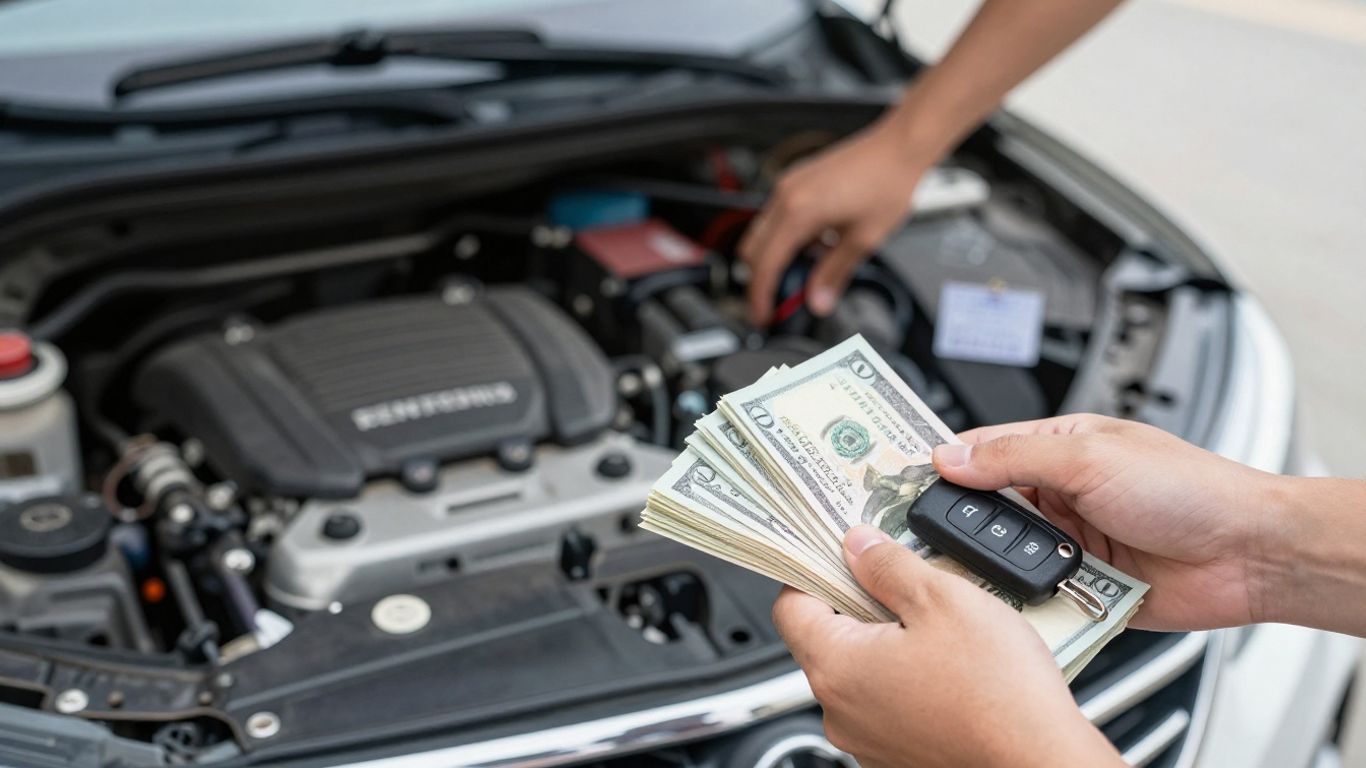
So, you've found the perfect used car, but what about your current ride? Trading it in can knock a nice chunk off the price of your new wheels. But let's be real, dealers often try to lowball you on trade-ins so they can flip it for a bigger profit. You gotta go in prepared. Your goal is to get the most cash possible for your old car.
Preparing Your Current Vehicle for Sale
First impressions matter, big time. Before you even think about stepping into a dealership, give your car some TLC. It doesn't have to be a full restoration, but a little effort goes a long way.
- Clean it up: Seriously, a deep clean inside and out. Vacuum the carpets, wipe down the dashboard, clean the windows until they sparkle. A spotless car just looks more valuable. Consider a professional detail if you have the budget; it can make a surprising difference.
- Fix the little stuff: That cracked taillight? The wobbly side mirror? Those small, annoying issues can be red flags for dealers. Get them fixed. Minor repairs can significantly boost your vehicle's value. Address minor issues like broken lights, windshield chips, and dents.
- Gather your records: Pull together all your maintenance records. A car with a documented history of regular oil changes and timely repairs shows you've taken good care of it. This is solid proof of its condition.
- Remove personal touches: Take off any stickers, magnets, or air fresheners that scream you. You want the dealer to see a clean slate, not a personalized project.
Understanding Trade-In Offer Dynamics
Dealers make money on trade-ins. They'll assess your car, factor in reconditioning costs, and then offer you a price that allows them to sell it for more. It's just business. Knowing this helps you understand why their first offer might not be your best offer.
Don't be surprised if the dealer's trade-in offer seems lower than what you expected. They need to make a profit when they resell your car, and they'll factor in reconditioning costs and their desired profit margin.
Leveraging Vehicle Condition for Better Offers
This is where all your prep work pays off. A car that's clean, well-maintained, and free of obvious issues is going to command a better price. You can also research what similar cars are selling for. Sites like Carfax and AutoTrader can give you a ballpark idea of your car's market value. Research similar vehicles to understand their market value, and use that information as your starting point for negotiation. If you've kept up with maintenance and addressed any wear and tear, you're in a much stronger position to ask for more.
Want to get the most money for your old stuff? Making sure you're getting a fair price is key. Learn how to check if your item is worth what you think it is. Visit our website to discover smart tips for selling and get the best value for your trade-in!
So, You've Got Your Price Check
Alright, so you've done your homework. You've compared prices across different sites, checked those valuation guides, and maybe even used a tool like Skarply to get a real-time feel for what things are actually selling for. Remember, knowing the numbers is just the first step. Don't forget to look at the actual condition of the item and factor in any extra fees or costs. It's all about getting that sweet spot where the price feels right for both you and the seller. Happy hunting out there – go snag yourself a great deal!
Frequently Asked Questions
How can I figure out if a used car's price is fair?
To see if a used car's price is fair, you should first check online tools like Kelley Blue Book or Edmunds. These sites give you an idea of the car's market value. Also, compare the price to similar cars listed on sites like Carfax or AutoTrader. Don't forget to look at the car's actual condition – a car that's been well-maintained might be worth a bit more.
What's the 10% rule for dealer markups?
The 10% rule is a handy way to check if a dealer's price is reasonable. It suggests that the price you pay for a used car from a dealer shouldn't be more than 10% higher than what online car buyers (like Carvana or Vroom) would pay for that same car. If it's more, you might have some room to negotiate.
Are online valuation tools always accurate?
Online valuation tools are super helpful for getting a general idea of a car's worth, but they aren't perfect. They usually don't know about specific issues a car might have, like brand-new brakes or a recent accident. Think of them as a good starting point, not the final word on the car's value.
What's the difference between sticker price and out-the-door price?
The sticker price is just the advertised price you see. The out-the-door price is the total amount you'll actually pay. This includes the sticker price plus taxes, registration fees, and any extra add-ons or dealer fees. Always ask for the out-the-door price to know the real cost.
How can I spot hidden fees or add-ons at a dealership?
Watch out for phrases in listings like 'dealer add-ons not included' or 'market adjustment fee may apply.' Some dealerships add things like paint protection or anti-theft systems that can significantly increase the price. Always ask for a breakdown of all fees before agreeing to buy.
What's the best way to negotiate a used car price?
To negotiate effectively, do your homework first using online guides and comparisons. Be upfront and polite with the salesperson about your budget and what you think is a fair price. Remember, the goal is for both you and the dealer to feel good about the deal.
How much should I spend on a car payment each month?
Experts often suggest that your total car payment (including loan, insurance, and gas) shouldn't be more than 10-15% of your monthly income. This helps ensure you can afford the car without stretching your budget too thin.
How can I get the most value for my trade-in?
To get a better trade-in value, make sure your current car is clean inside and out. Fix any small issues you can, and gather all your maintenance records. Having your car looking its best and showing it's been well cared for can help you get a better offer from the dealer.